
Hylomecon vernalis
Hylomecon vernalis
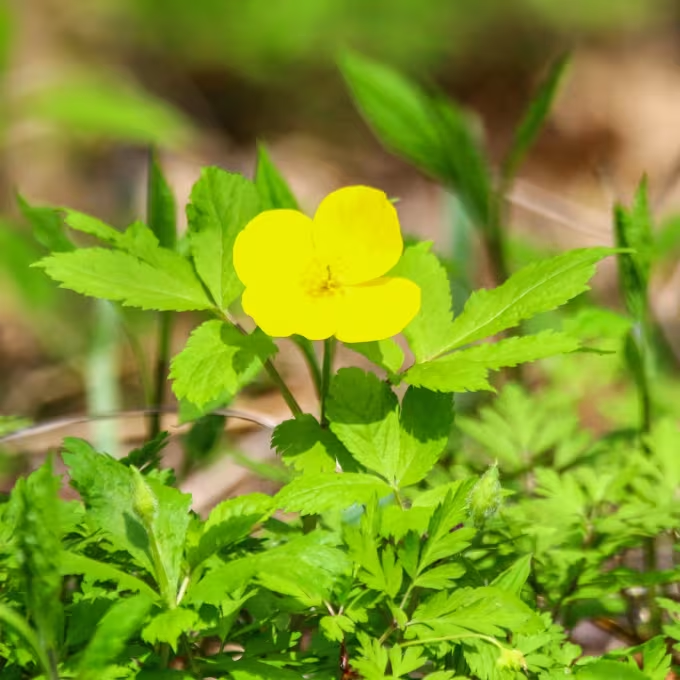
Description
Sowing dates
Sowing Hylomecon vernalis seeds is best performed in late autumn as a winter sowing procedure. Seeds require a period of cold stratification to break dormancy and ensure high germination rates in the following spring.
When sowing in trays, a light, peat-based or leaf-mold substrate is recommended. Seeds should be sown on the surface and pressed lightly into the soil, as they require light to germinate effectively.
Maintain consistent moisture throughout the winter and early spring period. Avoid letting the containers dry out, but ensure there is adequate drainage to prevent waterlogging.
Seedlings usually emerge when soil temperatures begin to rise in early spring. They require gentle handling and should remain in their original containers until they develop sufficient roots to be transplanted.
Division of mature clumps is an alternative, more reliable method for propagation. This process should be undertaken during the plant's dormant phase in late summer or early autumn.
Growing requirements
Hylomecon vernalis is a charming woodland perennial belonging to the Papaveraceae (Poppy) family. It is native to the forests of East Asia, thriving in shaded environments.
This plant demands moist, humus-rich, and well-draining soil. It is perfectly adapted to understory conditions, where it receives dappled sunlight through the forest canopy.
Climate requirements include protection from scorching afternoon sun and drying winds. High humidity and cool temperatures are crucial during its active growth phase in early spring.
Soil pH should ideally be neutral or slightly acidic. The addition of organic matter, such as composted leaves or aged manure, will significantly improve growth and flower production.
The plant is highly hardy and can withstand freezing temperatures during winter dormancy. Mulching with organic material helps protect the rhizomes and maintains the necessary soil moisture levels.
Main diseases and pests
Root rot is the primary physiological and pathological threat to Hylomecon vernalis. It occurs when soil drainage is poor or when plants are kept in excessively wet conditions.
Powdery mildew may appear on the foliage if the air circulation around the plants is insufficient or if the leaves stay damp for prolonged periods during the summer.
Slugs and snails are the most common pests, particularly during the wet spring months. They can cause significant damage to young shoots and leaves, requiring manual removal or barriers.
Aphids might infest the plant during dry spells. Early detection and treatment with mild horticultural soap can effectively manage populations without damaging the plant tissue.
Maintaining a clean growing area by removing decaying foliage and weeds helps reduce the risk of secondary infections and pest outbreaks throughout the growing season.