
Dicentra hybrids
Dicentra hybrids
Description
Growing requirements
Dicentra hybrids are perennial herbaceous plants belonging to the Papaveraceae family. These plants are the result of selective breeding designed to enhance the hardiness and floral display of species originating from North America and Eastern Asia.
The culture thrives in partial shade conditions, as intense direct sunlight can scorch the delicate foliage. Ideal growing sites should feature moist, nutrient-rich, and well-drained soil with a slightly acidic to neutral pH balance for optimal nutrient uptake.
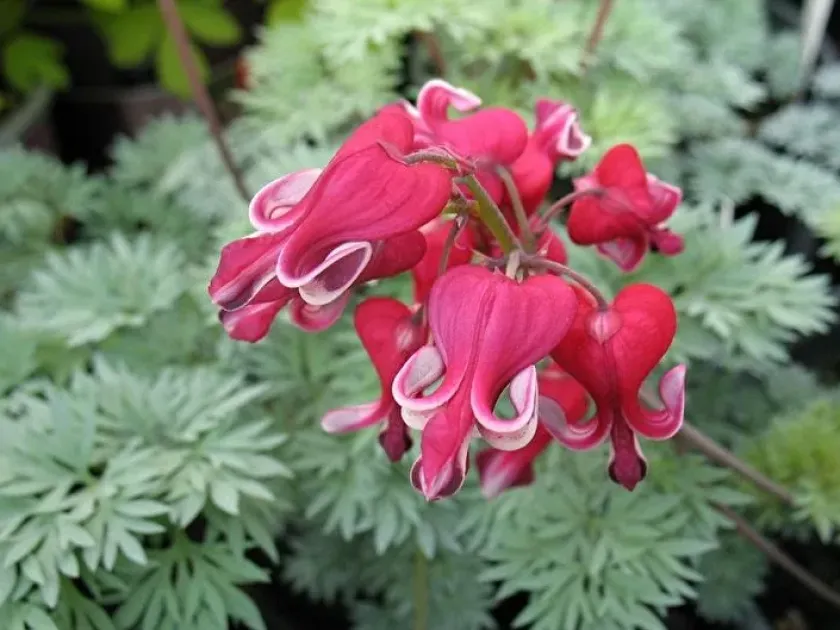
Botanically, the plants are recognized by their characteristic heart-shaped flowers dangling from arched stems and their finely divided, fern-like leaves. Modern hybrids offer a wider spectrum of colors and a more extended flowering period compared to wild varieties.
Standard agronomic practices include consistent irrigation, particularly during dry spells, to prevent the soil from drying out completely. However, drainage is critical, as waterlogged soil often leads to root rot and other physiological stressors in hybrid dicentra.
In terms of usage, these plants are highly valued in landscape architecture for their ability to brighten shaded garden corners. They are commonly paired with hostas, ferns, and other woodland plants to create lush, layered planting schemes.
Main diseases and pests
Common health issues for Dicentra hybrids involve fungal pathogens such as Verticillium wilt and various soil-borne rots. These diseases are most prevalent in areas with poor airflow and high humidity, necessitating proper spacing during planting.
Pests, particularly aphids and nematodes, are frequent threats to the vitality of the plant. Aphids tend to congregate on tender new growth, while nematodes can cause stunted development by feeding on the root system, which is often difficult to detect early.
Slugs and snails can cause significant physical damage to the leaves, especially in early spring when the foliage is young and succulent. Control measures include manual removal and the application of eco-friendly repellents to protect the aesthetic value of the plant.
Sanitation is a vital component of plant maintenance; all infected or dead plant material should be removed promptly to prevent the spread of diseases. Pruning spent flower stalks also encourages better energy distribution back into the rhizome.
Winter care is essential for maintaining plant health in temperate zones. Applying a layer of organic mulch around the base provides necessary insulation during frost cycles, helping the plant emerge vigorously in the following spring season.