
Steer's head
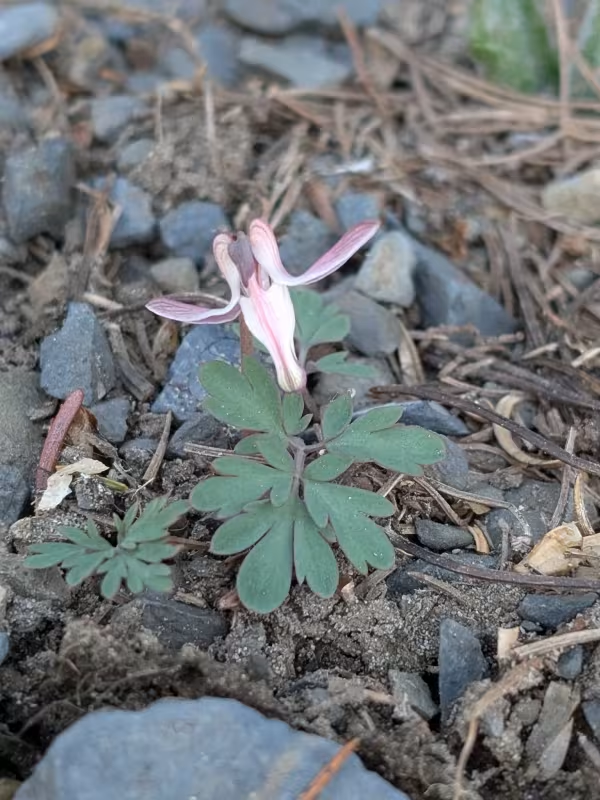
Dicentra uniflora
Description
Growing requirements
Dicentra uniflora, commonly known as Steer's head, is a distinct perennial plant species within the Poppy family (Papaveraceae), renowned for its singular flowers.
The plant originates from the high-altitude regions of Western North America, thriving in harsh, rocky environments where few other species can establish.
To successfully cultivate this species, growers must provide a substrate with exceptional drainage characteristics, mirroring the scree slopes of its natural habitat.
Environmental conditions require cool, moist summers and a significant cold dormant period in winter, which is essential for the plant to successfully bloom in the spring.
The horticultural use is primarily restricted to specialized rock gardens or alpine houses where microclimates can be strictly controlled by the gardener.
Main diseases and pests
The primary agricultural threat to Dicentra uniflora in cultivation is root rot, which typically develops during periods of excessive soil moisture or poor drainage.
Fungal pathogens can colonize the plant's delicate tissues during humid conditions, making adequate air circulation a fundamental requirement for plant health.
Garden pests such as slugs and snails represent a significant danger, as they are capable of consuming the entire above-ground growth during the early growing season.
Insects that feed on root systems, including various types of nematodes, can also severely compromise the health of the plant, leading to stunted development.
Integrated pest management strategies focusing on physical barriers and preventive cultural practices are preferred over intensive chemical treatments for this species.