
Asian celandine
Chelidonium asiaticum
Description
Sowing dates
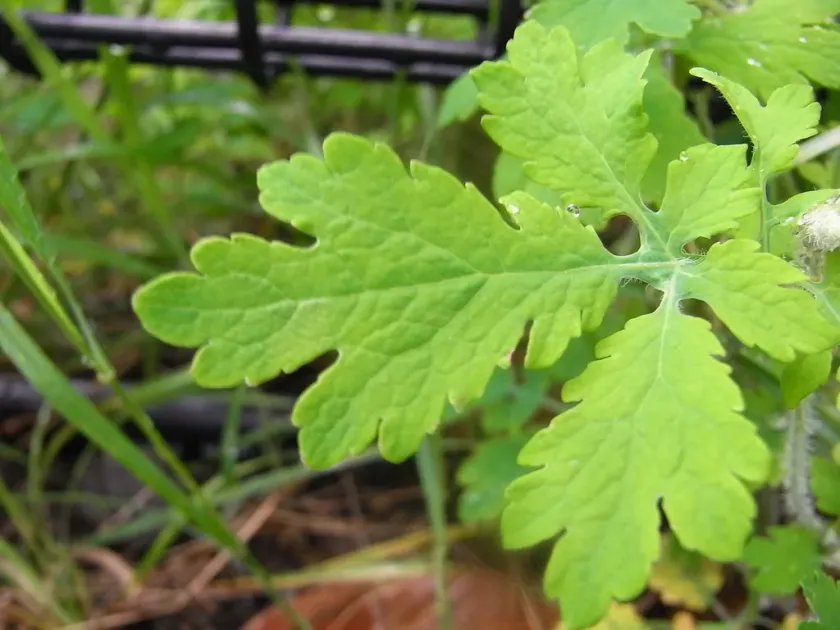
Asian celandine Chelidonium asiaticum is a perennial herbaceous plant belonging to the Papaveraceae family. Seeds are typically sown in late autumn or early spring, as they require a stratification period to ensure uniform germination.
The ideal soil for sowing is loose, nutrient-rich, and well-draining. Seeds should be sown at a shallow depth of 1-2 centimeters, ensuring they remain in constant contact with moist soil during the emergence phase.
The planting pattern should account for mechanical cultivation requirements, maintaining a row spacing of approximately 45-60 centimeters. This provides sufficient space for the plants to develop broad basal rosettes.
Soil preparation before sowing involves creating a fine tilth to promote good contact between seeds and the soil. This practice significantly increases the success rate of germination in the field.
Consistent moisture levels are critical during the first few weeks after sowing. Once established, the plants become more resilient, but maintaining weed-free conditions remains necessary for vigorous early development.
Growing requirements
Asian celandine thrives in temperate climates and prefers semi-shaded environments, although it can tolerate full sun provided the soil moisture is consistently managed. It adapts well to various soil types, excluding waterlogged or overly compacted ground.
Neutral to slightly acidic soil conditions are preferred for optimal growth. Incorporating organic matter such as compost during soil preparation enhances both the fertility and structure of the growing site.
Proper water management is essential for this crop. While it needs regular irrigation, especially during dry spells, stagnant water must be strictly avoided to prevent root diseases.
The plant is highly adaptable to temperature fluctuations typical of its native range. However, sudden extreme heat combined with high humidity can stress the plant and affect the accumulation of secondary metabolites.
Mechanical aeration through inter-row hoeing is beneficial for promoting healthy root growth. This practice also helps in managing weeds that might compete for nutrients during the active growing season.
Yield
Yield parameters for Asian celandine depend largely on planting density and soil management. Under optimal conditions, farmers can expect a harvest of 5 to 8 tonnes of fresh biomass per hectare.
The primary part harvested is the aerial biomass, including stems and leaves, collected during the peak flowering stage. This timing is crucial to maximize the alkaloid content, such as chelidonine, in the raw material.
Dry matter yield typically accounts for 20-25 percent of the fresh weight. Efficient post-harvest processing is required to ensure that the chemical profile remains stable and the quality high.
Sustainability of yields over multiple years is best achieved through crop rotation. Continuous monoculture on the same land can lead to the depletion of specific soil minerals and the buildup of soil-borne pathogens.
Monitoring the plant's health and growth stage is necessary to determine the exact harvesting date. Harvesting too early or too late will lead to a decrease in the potency of the medicinal herb.
Main diseases and pests
Asian celandine is naturally resistant to many pests due to its toxic alkaloid composition. However, under stress, it may become susceptible to aphids, particularly during prolonged drought periods.
Powdery mildew is a common fungal threat when plants are grown in overcrowded conditions with poor air circulation. Thinning the rows helps to reduce humidity around the foliage and mitigate this risk.
Root rot is the most significant threat, often resulting from improper irrigation or poorly drained soil. Proactive management of soil moisture levels is the best defense against these fungal infections.
Slugs can pose a risk to young plants, particularly in shaded, damp corners of the field. Physical barriers or organic pest control methods can be used to protect the crop during the early growth stages.
Sanitation practices, such as removing severely infected plants, are essential for maintaining a healthy plantation. Regular inspections throughout the growing season help in identifying and addressing problems early.
Harvesting
Harvesting is performed during the full bloom phase, when the plant's medicinal properties are most concentrated. The stems should be cut 5-10 centimeters above the ground to allow for regrowth.
Using sharp tools ensures a clean cut, which prevents the entry of pathogens into the root system. Clean harvests are vital for maintaining the high-quality standards required for pharmaceutical or herbal use.
Post-harvest management involves immediate transport to a drying facility. Avoiding large piles of freshly harvested material prevents heating and degradation of active compounds due to fermentation.
Drying should take place in a well-ventilated, shaded area or a temperature-controlled dryer kept below 45 degrees Celsius. This ensures the leaves and stems retain their original color and chemical potency.
Once dried, the herb should be packed in breathable containers to prevent moisture accumulation. Storing the final product in a cool, dark place preserves its quality for the intended period of use.