
Squirrel corn
Dicentra canadensis
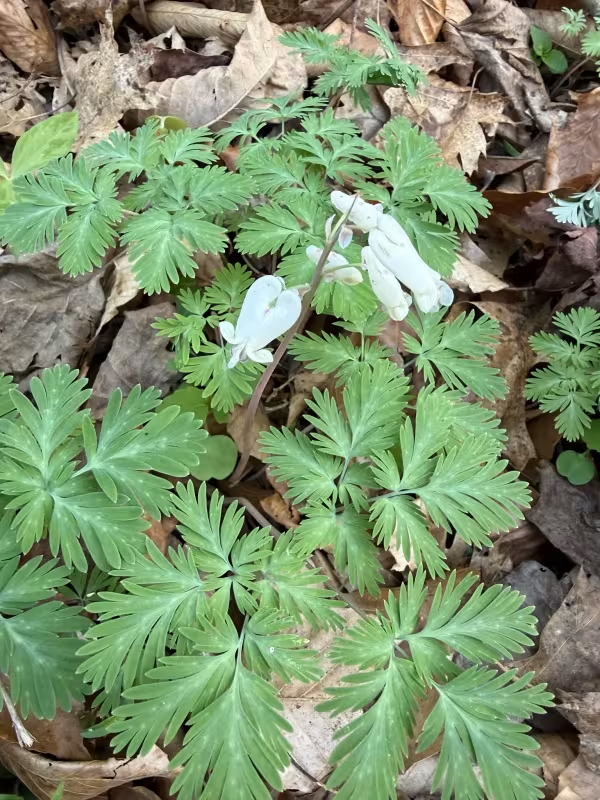
Description
Sowing dates
Planting of tubers should ideally occur in early spring or late autumn when the plant is in its dormant or semi-dormant stage. Proper timing ensures that root systems can stabilize before the onset of extreme weather.
When planting, ensure the tubers are placed at a depth of 2–4 inches. Proper spacing, typically 8 to 12 inches apart, is essential to facilitate adequate airflow and prevent the development of moisture-related issues.
Growing requirements
Squirrel corn (Dicentra canadensis) is a perennial herbaceous plant belonging to the Papaveraceae family. Native to the deciduous forests of North America, it is highly valued for its delicate, fern-like foliage and unique heart-shaped flowers.
The plant thrives in rich, moist, and well-drained soil with a slightly acidic to neutral pH level. It is naturally adapted to woodland environments, preferring areas with high organic matter and consistent moisture content during its growing phase.
Regarding light conditions, Dicentra canadensis performs best in partial shade or dappled sunlight. Direct, intense afternoon sun is detrimental, as it accelerates the plant's natural dormant cycle, causing it to wither earlier than expected.
It is cold-hardy and well-suited for temperate climates. The plant produces tuberous roots that serve as nutrient reservoirs, allowing it to emerge quickly and bloom early in the spring season when temperatures are still relatively cool.
Botanically, it is classified as a spring ephemeral. Its lifecycle is tightly synchronized with the leaf development of forest canopy trees, meaning it completes most of its reproductive and growth activities before the forest floor becomes fully shaded.
Main diseases and pests
The most significant threat to Squirrel corn is root rot, caused by waterlogged soil conditions. Ensuring high soil porosity and adequate drainage is the primary defense strategy for commercial or garden cultivation.
Slugs and snails are frequent pests that target the succulent, tender leaves in early spring. Barrier methods, such as crushed eggshells or environmentally safe slug pellets, are effective in minimizing damage.
Aphids can occasionally colonize flower stalks, requiring mechanical removal or treatment with mild horticultural soap. Regular monitoring is encouraged to catch infestations before they spread to healthy foliage.
Viral infections or fungal leaf spots may occur in overcrowded or poorly ventilated plantings. Maintaining optimal hygiene and sufficient space between plants is key to mitigating these biological risks.