
Bloodroot
Sanguinaria
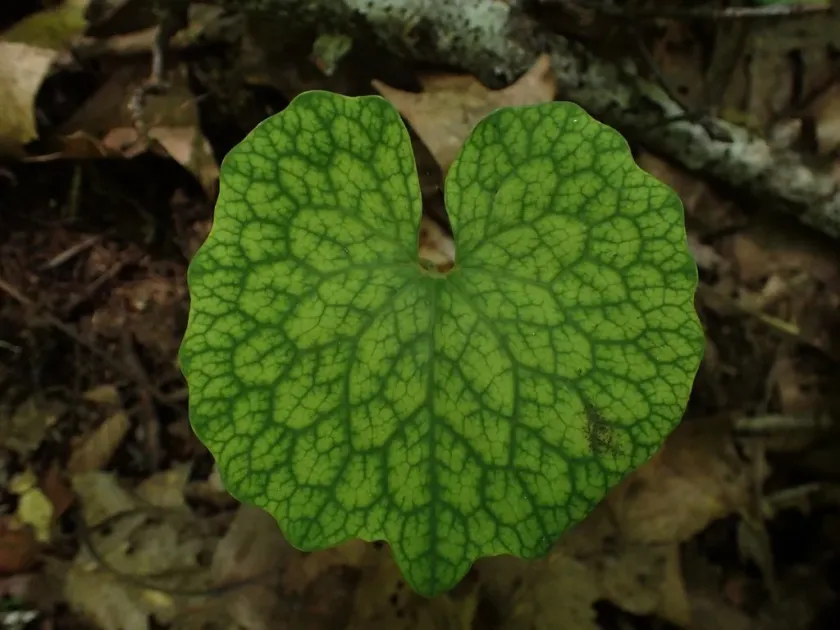
Description
Sowing dates
Propagation of Sanguinaria is typically achieved through division of rhizomes, which is the most reliable method to ensure plant vigor and consistency.
Divisions should be planted in early spring just before active growth begins, or in late summer during the plant's natural dormancy phase.
Seed propagation is possible but is a slower process that requires a period of cold stratification to overcome physiological seed dormancy.
Seeds should be sown in moist, high-quality potting media and kept in a cool environment for several weeks to simulate winter conditions.
When planting, ensure adequate spacing between rhizome sections, typically 10 to 12 inches apart, to allow for natural colonial expansion.
Growing requirements
Bloodroot belongs to the Papaveraceae family and thrives best in humus-rich, moist, yet well-drained forest soils with a slightly acidic pH.
The plant prefers partial shade or dappled light, mimicking the conditions of deciduous woodlands where it naturally grows in the wild.
Adequate moisture is critical during the spring growing and flowering season; however, soil should not remain saturated, as this leads to root rot.
Consistent organic matter application, such as leaf mold or compost, is beneficial to maintain soil structure and fertility over long periods.
The plant is highly hardy and can withstand severe winter temperatures, making it suitable for a wide range of temperate gardening climates.
Main diseases and pests
The presence of benzophenanthridine alkaloids in the rhizomes provides a natural deterrent against many soil-borne pests and chewing insects.
The most significant threat to the culture is excessive soil moisture, which often leads to the development of Fusarium or other fungal root rots.
Occasionally, foliage may be susceptible to mildew if air circulation is poor, particularly in crowded planting zones with high humidity levels.
Voles and rodents can pose a risk to rhizomes during dormant winter months, especially if organic mulches provide them with nesting material.
Maintaining a clean, weed-free environment and ensuring good drainage are the primary preventative measures against most cultural diseases.
Harvesting
The medicinal harvesting of Bloodroot rhizomes is carried out after the foliage has naturally yellowed and died back, usually in late autumn.
Rhizomes are carefully excavated, cleaned of soil particles, and washed thoroughly to ensure the final product is free from contaminants.
Processing involves rapid drying at low temperatures to prevent the degradation of active alkaloids found in the bright orange sap of the root.
Workers must wear protective gear during harvesting and processing, as the plant's sap is known to be a skin and mucous membrane irritant.
After processing, the dried rhizome material should be stored in airtight containers away from direct light to preserve its medicinal potency.