
Noronhia foveolata
Noronhia foveolata
Description
Growing requirements
Noronhia foveolata is an evergreen tree species belonging to the Oleaceae family. Native to Madagascar, this plant thrives in tropical environments, typically found in humid forests where it benefits from consistent temperatures and rainfall patterns throughout the year.
The cultivation of Noronhia foveolata requires specific environmental conditions, primarily focusing on tropical warmth and protection from cold snaps. Providing a stable environment with high humidity levels is crucial for the optimal vegetative growth of this species.
Regarding soil requirements, the plant demands well-drained, nutrient-rich substrates. The soil should be slightly acidic to neutral to ensure that all necessary micronutrients are available for absorption, and excellent aeration is vital to prevent root distress.
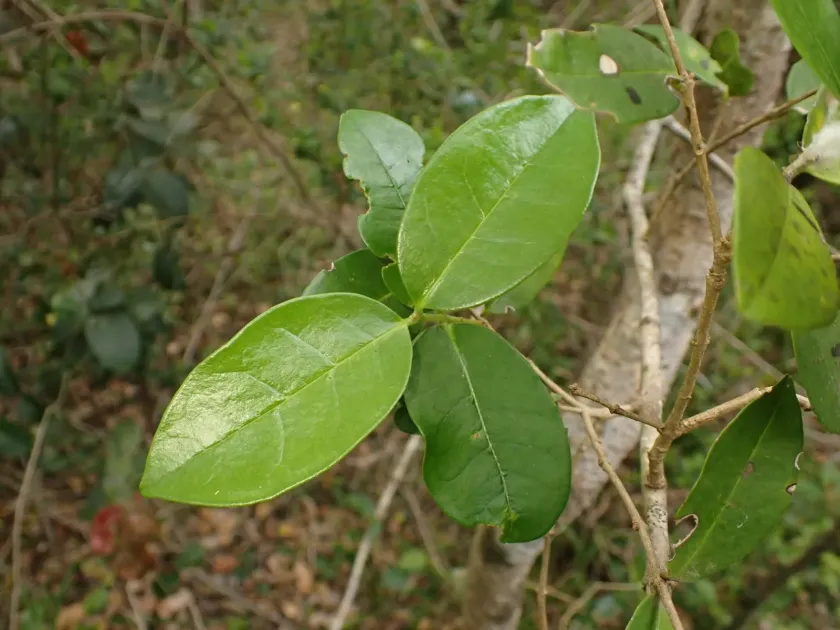
Botanically, the tree is characterized by its thick, leathery leaves and a robust branch structure. It produces fragrant flowers that develop into edible fruits, which represent the primary agricultural interest in this specific plant species.
Economic and agricultural usage of Noronhia foveolata is largely centered on fruit production for local consumption. Its aesthetic appeal also makes it a viable candidate for ornamental landscaping in regions with compatible climatic conditions.
Main diseases and pests
Major threats to Noronhia foveolata include various fungal infections, which are commonly triggered by stagnant air and excess soil moisture. Implementing rigorous pruning schedules helps to ensure sufficient airflow throughout the tree canopy.
Pest pressures are primarily caused by sap-sucking insects like scales and aphids, which can weaken the tree if left unchecked. Routine monitoring and the use of insecticidal soaps can manage these infestations effectively without damaging the fruit.
Nutrient deficiencies, particularly involving iron and magnesium, can result in leaf chlorosis, hindering photosynthetic efficiency. Regular soil analysis and the application of balanced organic fertilizers are necessary to maintain healthy growth.
Root rot is a significant danger that arises from overwatering and poor drainage management. It is imperative to allow the substrate to dry slightly between irrigation sessions to prevent conditions conducive to pathogenic fungal activity.
Promoting overall plant vitality is the best defense against threats. Providing a stable, nutrient-rich environment allows the plant to develop stronger defenses, making it more resilient against minor infestations and environmental stressors.