
Fontanesia phillyreoides
Fontanesia phillyreoides
Description
Growing requirements
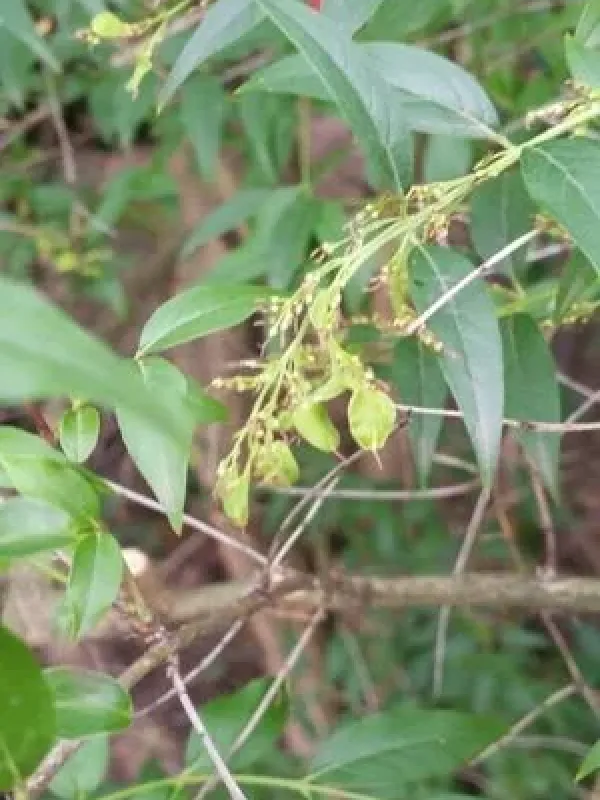
Fontanesia phillyreoides is a deciduous shrub belonging to the Oleaceae family. Native to regions in Western Asia and China, this plant is well-regarded for its fine texture and elegant, willow-like appearance, making it a distinct choice for ornamental gardens.
The plant features slender, lanceolate leaves and produces airy, terminal racemes of small white or creamy flowers during the spring season. It typically grows as a multi-stemmed shrub, reaching a height that makes it suitable for hedging or specimen planting.
Regarding site requirements, Fontanesia thrives in full sun but can tolerate light shade. It is not overly picky about soil type, provided that the ground is well-drained and fertile; it prefers neutral to slightly alkaline pH levels and avoids sites prone to waterlogging.
Agronomic maintenance includes regular pruning to shape the plant, as it responds very well to shearing. It is generally hardy, though it benefits from protection in areas subject to severe late spring frosts that could damage the emerging buds.
In landscaping, it is used primarily for structural planting and formal hedges. Its ability to form a dense, uniform structure allows gardeners to create clean lines, while its moderate growth rate makes it easier to manage than more aggressive species.
Main diseases and pests
Fontanesia phillyreoides is generally healthy but can be susceptible to common fungal issues like powdery mildew, especially if planted in areas with poor air circulation or high humidity.
Occasional infestations by aphids or scale insects may occur, particularly on young, tender growth during the early growing season. Monitoring these pests is key to maintaining foliage quality.
To control potential threats, cultural practices such as thinning the canopy to improve airflow are highly recommended to prevent moisture-related fungal growth.
In case of severe infestation or infection, standard horticultural pesticides or fungicides labeled for ornamental shrubs should be applied according to local agricultural guidelines.
Good sanitation, including the removal of fallen leaves and dead wood, is the best preventive strategy to ensure the longevity and vitality of your Fontanesia planting.