
Fontanesia fortunei
Fontanesia fortunei
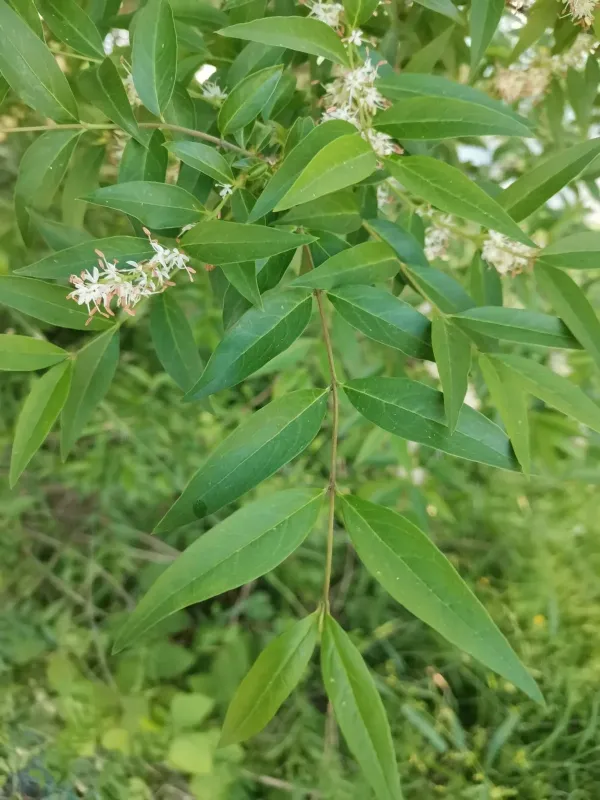
Description
Growing requirements
Fontanesia fortunei is a deciduous shrub belonging to the Oleaceae family. Native to China, this plant is valued in horticulture for its elegant growth habit and refined appearance, making it a distinct choice for gardens and park landscaping.
Botanically, it is characterized by slender, arching branches that can reach a height of three to four meters. The leaves are lanceolate, smooth, and vibrant green, providing a lush appearance throughout the growing season, which is ideal for formal or informal settings.
The plant thrives in sunny locations with partial shade, provided it is shielded from harsh winds. It displays moderate cold tolerance, requiring sheltered positions in cooler climates to ensure successful overwintering and continued growth without frost damage.
Soil requirements focus on well-draining, fertile substrates. A neutral to slightly alkaline loam is ideal, as it supports a healthy root system. Adequate drainage is crucial, as the plant does not tolerate waterlogged conditions that may lead to root suffocation.
Agrotechnical maintenance is centered on regular pruning, as Fontanesia fortunei responds exceptionally well to shaping. This makes it an excellent candidate for formal hedges or architectural shrubbery that requires frequent maintenance to retain a specific form.
Main diseases and pests
Fontanesia fortunei is generally resistant to many common pests, though improper site selection can lead to health issues. The most significant threat in wet, poorly ventilated areas is root rot caused by stagnant water in the substrate.
Powdery mildew is another potential concern if the plants are spaced too closely. This fungal disease spreads easily in humid conditions with poor airflow, so maintaining proper spacing between plants is essential for long-term health and vitality.
Insects like aphids and scale insects are the primary pests that may target this species. They feed on the sap of young shoots, potentially causing wilting and distortion of the foliage if left unchecked during the critical spring growing period.
Management of these threats involves proactive monitoring and the use of targeted insecticides when symptoms first appear. Integrated pest management strategies, such as introducing natural predators or using horticultural oils, are also effective alternatives.
Good cultural practices, such as annual sanitation pruning and proper irrigation, significantly reduce the risk of infections. By providing optimal growing conditions, gardeners can ensure that Fontanesia fortunei remains a durable and attractive feature in the landscape.