
Abronia turbinata
Abronia turbinata
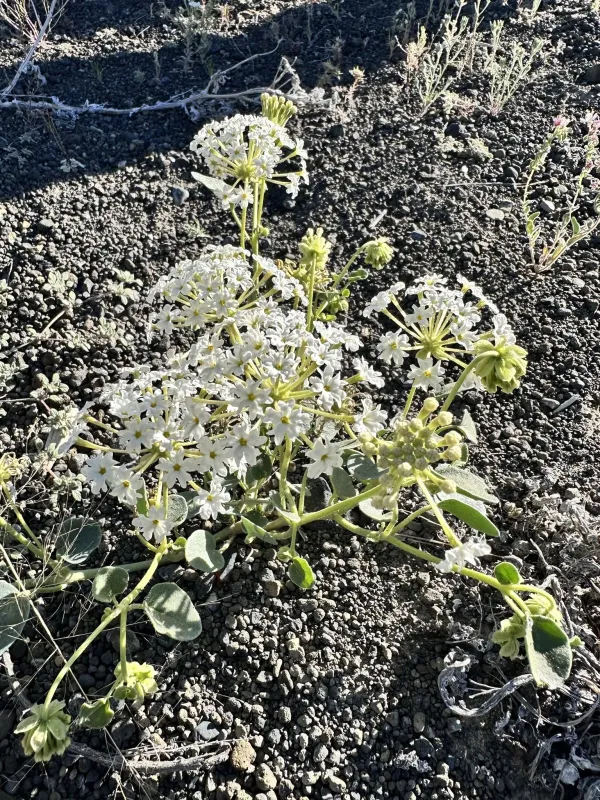
Description
Growing requirements
Abronia turbinata is a perennial herbaceous plant belonging to the Nyctaginaceae family. It is native to the western regions of North America, where it thrives in sandy, arid environments, demonstrating exceptional adaptation to harsh desert conditions.
The plant features distinct botanical traits, including delicate, often fragrant flowers that typically bloom in the evening. Its foliage is designed to survive intense heat and drought, often covered with fine hairs that help retain moisture and protect the plant from extreme sun exposure.
Successful cultivation requires soil that is extremely well-draining, ideally composed primarily of sand or grit. The plant cannot tolerate "wet feet" or waterlogged conditions, which necessitates a strategic placement in raised beds or specialized rock gardens.
Exposure to full sun is an absolute requirement for the health of this species. Any form of shading or inadequate light levels will result in stunted growth and a significant reduction in the plant's natural flowering cycle.
Regarding its utility, Abronia turbinata is mainly valued in landscaping as an ornamental component for xeriscape projects. It serves as an excellent model for plants that require minimal intervention and thrive in challenging, nutrient-poor soils.
Main diseases and pests
The most significant threat to Abronia turbinata is fungal root rot, primarily triggered by excessive moisture or poor drainage. Protecting the crown of the plant from prolonged wetness is essential for its survival, especially in regions with unexpected rainfall.
Pests that frequently target this plant include spider mites and aphids, particularly during hot and dry spells when the plant's natural defenses might be momentarily weakened. Early intervention is necessary to prevent significant damage to the floral displays.
Good air circulation is the best preventative measure against disease. By ensuring that the plants are spaced appropriately and that the soil surface remains dry, cultivators can significantly reduce the risk of pathogen accumulation.
When chemical treatment is required, it must be applied sparingly, as the plant is sensitive to various synthetic compounds. Integrated pest management, focusing on biological controls, is often preferred for maintaining the plant's vigor.
Periodic monitoring of the soil moisture levels and checking for leaf discoloration are standard practices for healthy maintenance. Removing any debris or dead plant matter from the surrounding area helps minimize the habitat for potential pests.