
Fragrant sand verbena
Abronia fragrans
Description
Sowing dates
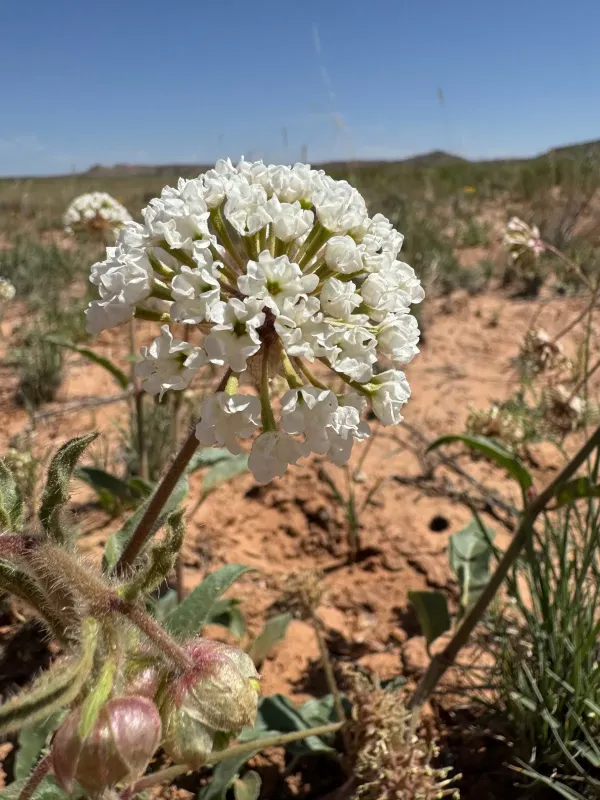
Fragrant sand verbena, known botanically as Abronia fragrans, is a perennial herbaceous plant belonging to the Nyctaginaceae family, native to the sandy plains and deserts of North America.
Propagation is typically performed through seeds, which are best sown in early spring in a greenhouse or directly outdoors once the danger of frost has fully passed.
The seeds have a tough outer coat, so scarification or soaking in tepid water for several hours before sowing can significantly improve and speed up the germination process.
It is important to place seeds in a sunny location with a shallow covering of soil, as light is often a necessary stimulus for successful germination in this species.
Young plants should be spaced widely apart to allow for proper airflow and root development, as the plant tends to spread its stems horizontally across the ground.
Growing requirements
As a plant native to arid environments, Abronia fragrans thrives in full sun and requires exceptionally well-draining soil, such as sand or fine gravel mixes.
The plant is highly drought-tolerant, adapted to surviving with minimal rainfall, which makes it an excellent candidate for xeriscaping or dry garden landscapes.
Heavy clay soils should be avoided or heavily amended, as moisture retention in the root zone is the primary cause of failure when cultivating this species.
Temperature-wise, it prefers warm days and cooler nights, mimicking the climate of its native prairie and desert habitats to trigger the peak flowering stage.
Minimal fertilization is required; in fact, overly rich soil often discourages the plant from producing its characteristic, intensely fragrant white blossoms.
Main diseases and pests
The most significant threat to fragrant sand verbena is root rot, caused primarily by overwatering or poorly draining soil during periods of high humidity.
Common garden pests such as aphids and spider mites may infest the plant during hot, dry spells, causing yellowing of the leaves and stunted growth.
Preventative measures include ensuring the planting site has excellent air circulation and avoiding overhead watering to keep the foliage as dry as possible.
Regular inspection is recommended, particularly during the flowering season, to detect early signs of pest infestation and apply organic insecticidal soap if necessary.
If fungal infections appear, immediate removal of affected plant parts is essential to prevent the spread of the disease to neighboring healthy specimens.