
Abronia ameliae
Abronia ameliae
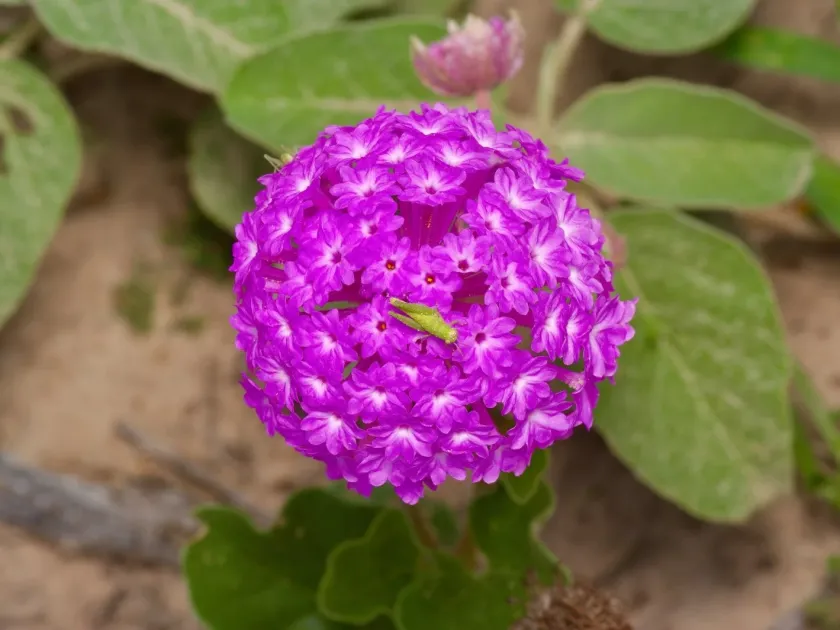
Description
Sowing dates
Abronia ameliae, known as a distinctive member of the Nyctaginaceae family, is a herbaceous plant that has evolved specifically to thrive in challenging sandy environments. It is a specialized species often found in highly specific localized habitats.
The plant exhibits a robust taproot system, which is a critical adaptation for survival in arid regions. This structure allows the plant to anchor itself firmly into shifting sands while accessing deep-seated moisture during dry spells.
Botanically, Abronia ameliae is characterized by its succulent-like, pubescent foliage. The fine hairs on the leaves and stems serve to minimize transpiration and protect the plant from high levels of solar radiation.
The inflorescences are typically umbellate, displaying a complex arrangement of flowers that emit a distinct, pleasant fragrance. This feature is evolutionarily tuned to attract specific local pollinators necessary for successful seed set.
In terms of agricultural and ecological utility, this species is highly valued for dune stabilization and its potential role in restoring degraded sandy landscapes where other vegetation struggles to survive.
Growing requirements
Cultivating Abronia ameliae requires a precise simulation of its natural sandy habitat. Excellent soil drainage is the most critical factor, as any form of waterlogging can be fatal to the root system within a very short period.
Full sun exposure is an absolute necessity for this species. The plant requires maximum light intensity to maintain its compact growth form and to trigger the development of its characteristic floral displays throughout the season.
The ideal temperature range is consistent with warm, arid climates. While the species is highly drought-tolerant, it requires a steady environment to establish itself properly during the initial phases of its life cycle.
Soil nutrient requirements are relatively low; the plant is adapted to nutrient-poor soils. Excessive nitrogen or organic fertilizer applications are detrimental and can lead to succulent rot or abnormal growth patterns.
- Strictly sandy or gritty substrate composition.
- Zero water accumulation around the crown.
- Unobstructed sunlight throughout the day.
Main diseases and pests
The primary threat to Abronia ameliae is root rot induced by high humidity and poor soil aeration. Pathogenic fungi thrive in saturated sandy substrates, which can quickly compromise the plant’s delicate vascular system.
Pests, particularly sap-sucking insects, pose a significant risk to the plant’s reproductive potential by damaging the flowering stems. Early detection and management are essential to ensure the vitality of the population.
Mechanical damage is another major concern. Because of the brittle nature of its stems and the sensitivity of its roots, any manual intervention near the plant must be conducted with extreme precision to avoid injury.
Environmental stressors such as unseasonal cold and damp conditions can exacerbate fungal infections. Protecting the plants from extreme moisture during non-growing periods is a standard management practice.
Management of these threats focuses primarily on preventive agronomy: selecting sites with superior drainage and ensuring adequate spacing between plants to maximize airflow and minimize the spread of pathogens.