
Abronia villosa
Abronia villosa
Description
Growing requirements
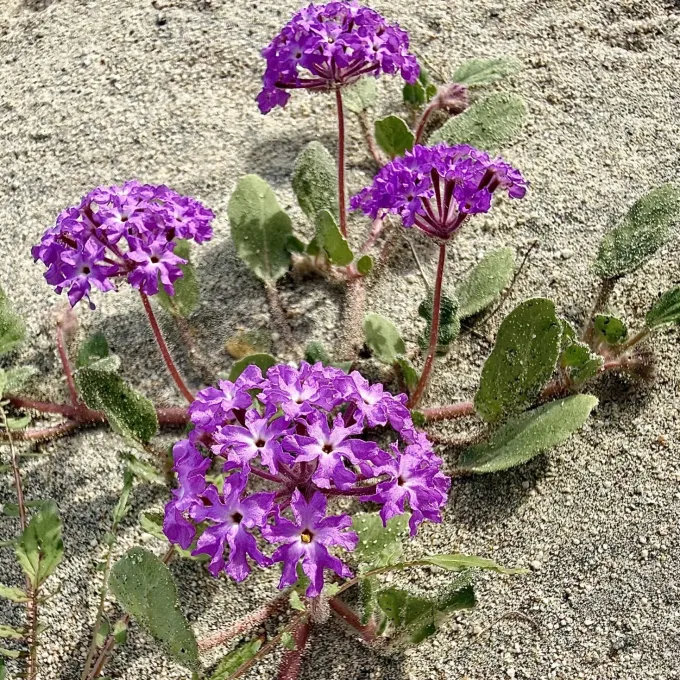
Abronia villosa, commonly known as sand verbena, is an herbaceous plant belonging to the Nyctaginaceae family. It is native to the deserts and coastal dunes of the southwestern United States and Mexico, demonstrating a remarkable ability to thrive in harsh environments.
The botanical structure includes sticky, glandular hairs that coat the stems and leaves, providing a protective layer against extreme heat and dehydration. Its flowers are fragrant, trumpet-shaped, and usually bloom in shades of pink or purple, often opening late in the day.
Cultivation requires conditions that mimic its natural desert habitat. A sandy, well-draining soil profile is the most important factor for success. Any soil type that retains too much moisture will inevitably lead to root failure and plant decline.
The species requires full sun exposure and is highly tolerant of heat and saline soils. It does not thrive in environments with high humidity or frequent rainfall, which often leads to physiological stress and pathogen outbreaks.
Agronomic management is quite simple due to the plant's hardy nature. It requires very little water once established and does not benefit from commercial fertilizers, which can stimulate weak, excessive foliage growth instead of flowering.
Main diseases and pests
The primary threat to Abronia villosa is fungal infection, particularly root rot, caused by excessive soil moisture and poor drainage. Maintaining a dry root zone is the best preventative strategy against these pathogens.
Pests such as aphids and spider mites can occasionally affect the plant, particularly in sheltered or greenhouse conditions. These pests suck the sap from the stems and can weaken the plant, making it prone to opportunistic infections.
To manage pest infestations, growers should utilize systemic treatments sparingly. Physical removal or the use of neem-based oils can be effective, provided they do not clog the glandular hairs that define the plant's unique texture.
Ensuring optimal spacing between plants is crucial for adequate air circulation. This reduces the micro-humidity around the foliage, which is often the precursor to mildew and other fungal diseases in this species.
If disease symptoms such as wilting or discolored spots appear, the focus should be on soil aeration and immediate reduction of irrigation frequency to allow the root ball to recover naturally.