
Abronia angustifolia
Abronia angustifolia
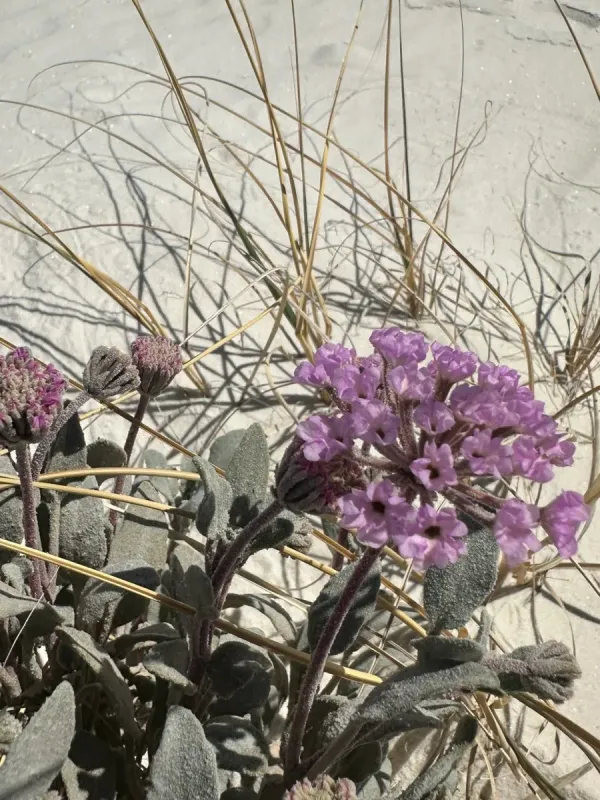
Description
Growing requirements
Abronia angustifolia, commonly known as a type of sand verbena, is a flowering herbaceous plant belonging to the Nyctaginaceae family. It is native to the arid sandy regions of the Southwestern United States and parts of northern Mexico, where it thrives in harsh environments.
Botanically, this species is characterized by its narrow, lanceolate leaves and clusters of tubular flowers. These blooms are often fragrant and designed to attract nocturnal pollinators, reflecting the plant's evolutionary adaptation to the desert climate.
The cultivation of this species requires well-drained, sandy soil that mimics its natural habitat. The soil must have minimal organic matter content, as high fertility or moisture retention can lead to the physiological decline of the plant, including root rot.
Regarding climate, Abronia angustifolia demands full sun exposure and a hot, dry environment. It is highly heat-tolerant and thrives in areas with intense solar radiation, provided the plant is established in soil that does not hold excess moisture.
In landscaping, this plant is primarily utilized for xeriscaping, rock gardens, and stabilizing loose soil in dry climate areas. Its ability to withstand drought makes it an excellent choice for low-maintenance garden designs in arid regions.
Main diseases and pests
The primary threat to Abronia angustifolia is fungal root rot caused by improper watering practices or heavy, poorly draining soils. Maintaining a strict dry cycle is essential to preserve the health of the taproot and prevent decay.
Insect pests, such as aphids and spider mites, are the most common adversaries for this culture. These insects thrive in dry environments and can quickly infest the succulent-like tissues of the plant, necessitating regular inspection and organic treatments.
Root-knot nematodes represent a significant danger in certain soils, particularly if the land was previously used for crops susceptible to these pests. Using sterile, sandy potting media for nursery stages is a standard preventive measure.
Environmental stress, specifically sudden temperature fluctuations combined with high humidity, can weaken the plant. This vulnerability often leaves the specimen prone to secondary infections, which are difficult to manage once established.
Preventative care is the most effective approach to managing these threats. This includes ensuring proper spacing between plants to facilitate air circulation, using high-quality porous substrate, and avoiding overhead irrigation that leaves water droplets on the foliage.