
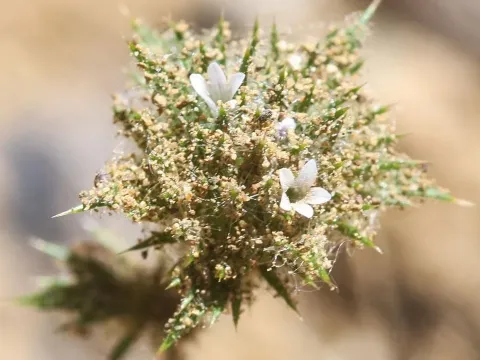
Abronia
Abronia
Sowing Abronia seeds is typically performed in late February or March using the indoor seedling method. Due to the hard seed coat, scarification or pre-soaking is often recommended to improve germination rates significantly.
What the section contains


Abronia
The seedling method is essential as the plant is highly sensitive to cold temperatures and frost. Seeds should be sown in a light, sandy, and well-draining substrate at a shallow depth of approximately 0.5 to 1 centimeter.
Pricking out the seedlings into individual biodegradable pots is advisable to prevent root disturbance during transplanting. Seedlings should only be moved outdoors once all risks of frost have passed and soil temperatures have stabilized.
Direct sowing in open ground is only feasible in warm, southern climates where the growing season is long. Seeds are sown in April or May, ensuring adequate spacing to allow the plants to spread effectively.
Proper site selection is crucial for success, requiring a location that receives full sun and is sheltered from harsh winds. Consistency in moisture levels during the germination phase is vital for uniform plant development.
Abronia belongs to the Nyctaginaceae family and is native to the coastal dunes and sandy habitats of North America. Consequently, it requires full sun exposure and thrives in bright, well-lit environments.
The soil must be extremely well-draining and sandy; heavy clay or loam soils are generally unsuitable and lead to root asphyxiation. Incorporating coarse sand or fine grit into the planting site is highly recommended.
This culture is known for its remarkable drought tolerance, adapted to low-moisture environments. While it is hardy, regular moderate irrigation during the peak growing season enhances flower production and leaf quality.
Temperature management is important, as the plant prefers warm conditions but may struggle under extreme stagnant heat. Good air circulation is necessary to prevent physiological stress during the height of the summer.
Fertilization should be kept to a minimum using low-nitrogen formulations. Excessive nitrogen promotes vegetative growth, which can weaken the plant and reduce the quantity and quality of its characteristic blooms.
Root rot is the most common threat to Abronia, usually resulting from excessive irrigation or poorly draining soil conditions. Improving soil porosity is the primary preventive measure against this pathogen.
Aphids can infest the succulent foliage, particularly during dry spells. Management strategies include the use of horticultural oils or systemic insecticides applied at the first sign of pest activity.
Spider mites are common in hot and arid environments, often going unnoticed until the plant shows signs of chlorosis. Regular inspection of the underside of leaves and keeping humidity levels balanced can help manage these pests.
Powdery mildew may occur if planting density is too high or if air circulation is inadequate. Application of sulfur-based or copper-based fungicides is effective in controlling the spread of the fungus.
Maintaining high hygiene in the garden, including the removal of dead or decaying plant tissue, is essential for disease prevention. This helps ensure that the planting environment remains clean and unfavorable for pathogens.