
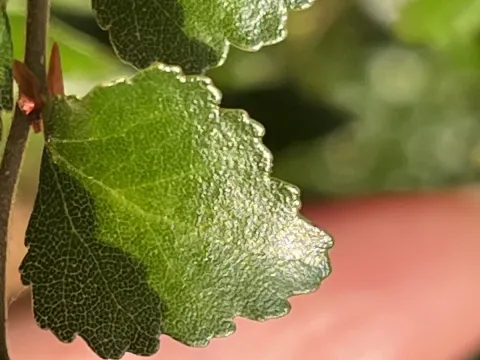
Nothofagus
Nothofagus Blume.
Nothofagus, commonly known as the Southern Beech, is the primary genus within the Nothofagaceae family. These trees are native to the Southern Hemisphere, naturally populating temperate forests in Chile, Argentina, Australia, and New Zealand, where they dominate local landscapes.
What the section contains


Nothofagus
The cultivation of Nothofagus requires specific climatic conditions, favoring cool to mild oceanic climates with high, evenly distributed rainfall. They thrive in deep, well-drained, acidic to neutral soils that are rich in organic matter, avoiding areas prone to waterlogging.
Agrotechnical management involves establishing plantations in mountainous or hilly regions that mimic their natural habitats. Young trees require careful protection from desiccation and frost during the establishment phase, often benefiting from the shelter of established nurse crops.
Proper thinning practices are essential for managing Nothofagus plantations, ensuring that the trees develop straight, high-quality trunks suitable for timber production. Managed stands can yield high-quality wood used extensively in furniture making, construction, and cabinetry.
Beyond commercial forestry, Nothofagus species serve a vital role in ecological conservation and watershed management. Their dense canopy and root systems are instrumental in stabilizing slopes, reducing soil erosion, and maintaining biodiversity within forest ecosystems.
The most significant threats to Nothofagus health include root rot diseases caused by Phytophthora species, which can lead to rapid decline in stands. Additionally, various defoliating insects and wood-boring pests pose risks, particularly in monoculture plantations lacking natural forest diversity.