
Antarctic beech
Nothofagus antarctica (G. Forst.) Oerst.
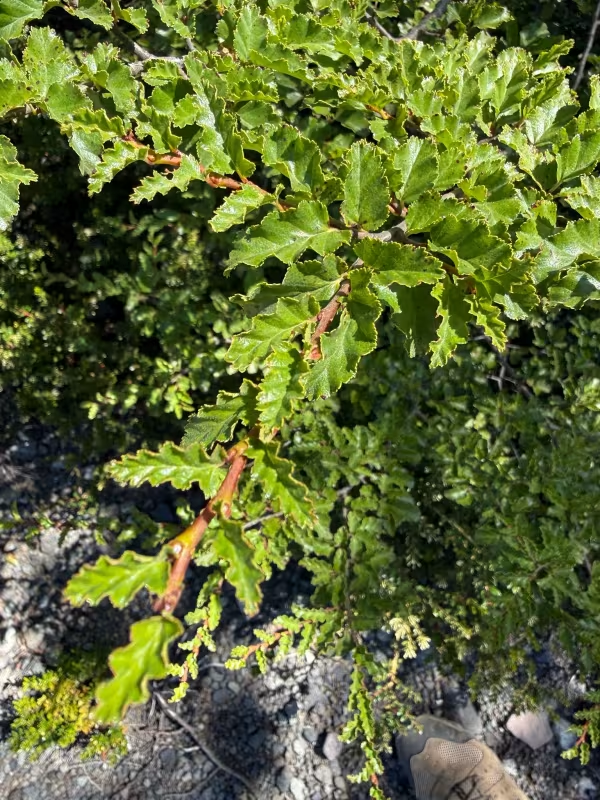
Description
Growing requirements
The Antarctic beech, botanically known as Nothofagus antarctica, is a deciduous tree species belonging to the Nothofagaceae family. It is native to the southern parts of South America, specifically the subantarctic regions of Patagonia, where it thrives in harsh conditions.
This crop requires cool, moist, and well-drained acidic soils to reach its full growth potential. While it is remarkably cold-hardy, the tree is sensitive to stagnant water, which can trigger severe root issues and decline the overall vitality of the plantation.
Regarding climate conditions, the plant favors oceanic environments with consistent atmospheric humidity. It performs best when sheltered from intense midday sun and drying winds, which can easily desiccate the delicate, slightly aromatic foliage of the tree.
Cultivation practices include frequent mulching to maintain consistent root temperature and moisture levels. Propagation is usually handled through nursery seeds or softwood cuttings, which require specific humidity chambers to ensure successful root development before transplanting.
Economically and aesthetically, the tree is primarily valued for ornamental purposes in temperate climates. Its unique branching structure and spectacular golden-yellow autumn foliage make it a highly desirable species for landscape architecture and specialized arboretums.
Main diseases and pests
The primary threats include fungal pathogens such as Phytophthora, which attack the root system in poorly drained sites. Maintaining adequate soil aeration is the most effective management strategy to prevent these devastating diseases.
Pests such as aphids and spider mites may become a localized issue during unusually dry and warm summers. Regular monitoring and, if necessary, the application of horticultural oils or biological controls can help preserve the aesthetic quality of the tree.