
Lenga beech
Nothofagus pumilio (Poepp. & Endl.) Krasser
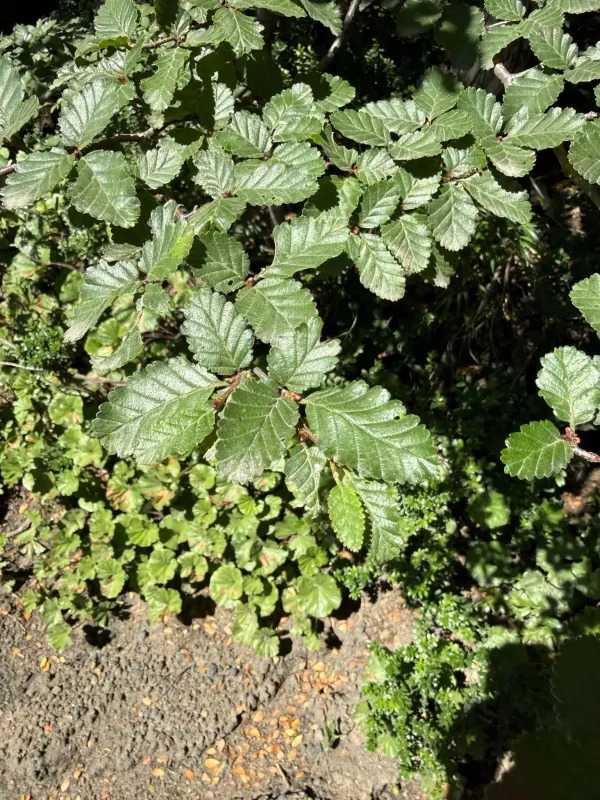
Description
Growing requirements
Lenga beech (Nothofagus pumilio) is a prominent species within the Nothofagaceae family. It is a majestic deciduous tree native to the high altitudes of the Andes in Chile and Argentina, serving as a key element of the subantarctic forest ecosystems.
The culture thrives in cool, humid, temperate climates. It is well-known for its exceptional cold tolerance, allowing the species to establish the tree line in extreme mountain environments where few other woody plants can survive.
Soil preferences include well-drained, deep, and organic-rich substrates. The tree is sensitive to waterlogged conditions and prefers slightly acidic soil pH levels to maintain optimal nutrient uptake and root health.
In silvicultural practices, growth is characterized as relatively slow during the establishment phase. Proper site preparation is essential to reduce competition from invasive grasses and shrubs in early plantation development.
Seed propagation is the primary method for regeneration. The process requires specific stratification techniques under cold conditions to effectively break seed dormancy and ensure high germination rates.
Main diseases and pests
Major threats to Lenga beech plantations include specific defoliating insects that can cause massive foliage loss, significantly hindering the photosynthetic capacity of the trees during growth seasons.
Root rot pathogens represent a significant risk, particularly in sites where soil drainage is insufficient, often leading to the mortality of saplings in nursery and young forest settings.
Climatic instability, particularly severe late-season frosts, causes physical damage to tender buds and annual growth increments, resulting in tree deformation and reduced timber quality.
Human activities, such as unsustainable forest management and excessive livestock grazing in adjacent pastures, remain the primary obstacles to the successful natural regeneration of Lenga stands.
In recent years, the increase in parasitic plant infestations has been observed to compromise the vitality of older trees, making the stands more susceptible to secondary pathogenic attacks.