
Roble beech
Nothofagus obliqua (Mirb.) Blume
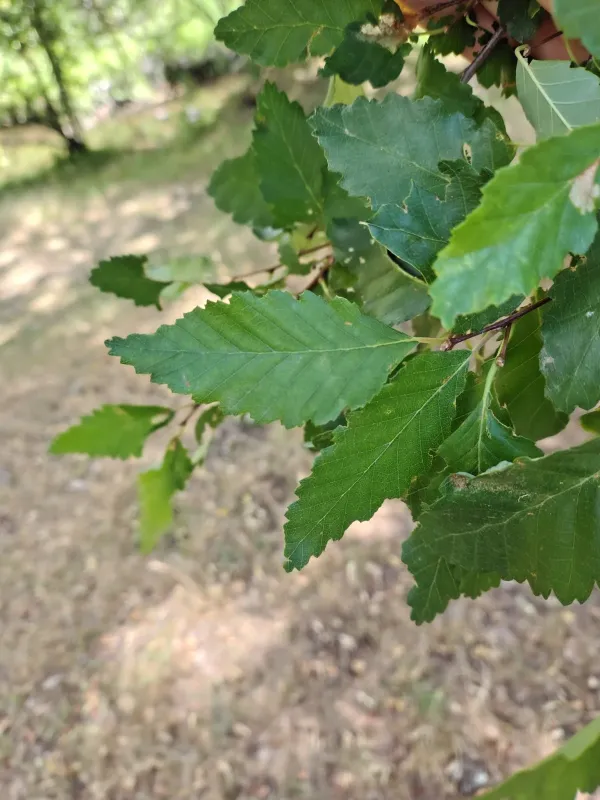
Description
Growing requirements
Roble beech, scientifically known as Nothofagus obliqua, is a deciduous tree species from the Nothofagaceae family, native to the temperate forests of Chile and Argentina. Known for its rapid growth rate, it is highly regarded as a significant forest resource in appropriate temperate regions.
The tree thrives in deep, fertile, and well-drained soils, ideally with a slightly acidic profile. It is essential to ensure that the planting site has excellent drainage, as the roots are highly susceptible to damage if water stagnation occurs, leading to physiological stress or root rot.
Regarding climate, Nothofagus obliqua prefers cool, maritime conditions with high annual rainfall and a low risk of extreme late-spring frosts. While it can adapt to various conditions, it performs best in regions where the weather remains mild and avoids prolonged drought during the growing season.
Silvicultural management requires careful spacing during plantation establishment to ensure optimal air circulation and light exposure for each individual tree. Regular weeding and protection against herbivory during the early stages of development are critical for maintaining a high survival rate of young seedlings.
The wood of the Roble beech is valued for its durability and moderate hardness, making it ideal for high-quality furniture making, cabinetry, and structural timber. Due to its rapid biomass production, it is often prioritized in reforestation projects aimed at long-term timber supply.
Main diseases and pests
The main phytosanitary challenges for this species include fungal infections such as root rot caused by Phytophthora species and various leaf-spotting diseases. Pest control focuses on managing wood-boring insects that can significantly degrade the timber quality if infestation levels are not monitored.