
Nothofagus procera
Nothofagus procera Oerst.
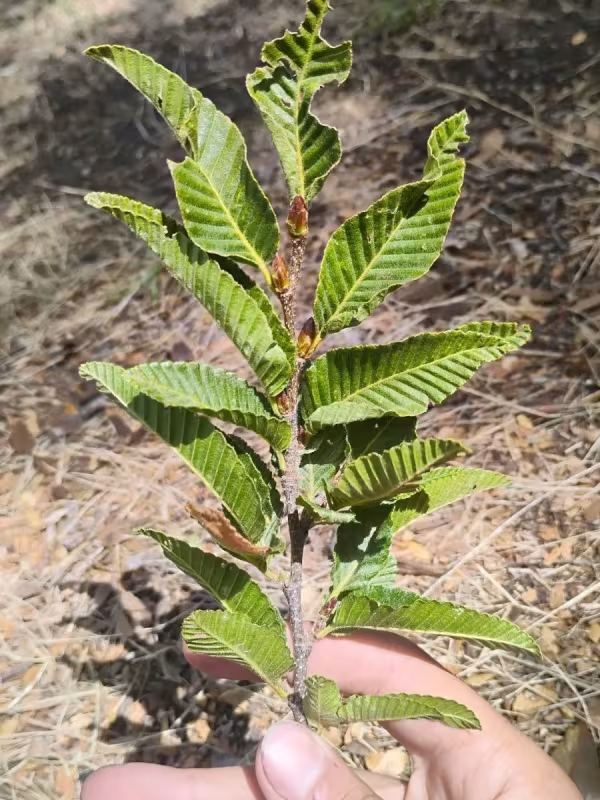
Description
Sowing dates
Sowing Nothofagus procera seeds requires a mandatory stratification period during spring to mimic natural dormant conditions. Cold stratification for two to three months significantly enhances germination rates and overall seedling vigor.
The ideal time for field or nursery sowing is when soil temperatures reach 10-12 degrees Celsius. Seeds should be sown at a shallow depth of 1-2 centimeters, ensuring the growing medium remains consistently moist until emergence.
Containerized seedling production is highly recommended to improve survival rates during final plantation. Protection against late spring frosts is crucial, as young tissues are highly sensitive and can be damaged by sudden temperature drops.
Proper spacing is essential to ensure adequate airflow and light penetration for every individual tree. Plantation density should be carefully planned depending on whether the primary goal is timber production or landscape establishment.
During the initial growth years, consistent weeding is necessary to prevent competition from aggressive vegetation. Mulching around the base helps retain soil moisture and prevents overheating of the sensitive root system.
Growing requirements
Nothofagus procera, belonging to the Nothofagaceae family, is native to the temperate rainforests of Chile and Argentina. It thrives in deep, fertile, and well-drained soils rich in organic matter, reflecting its natural habitat requirements.
This species is moisture-demanding and requires consistent humidity in both soil and air to perform optimally. It performs best in regions with mild maritime climates that are protected from harsh, desiccating winds.
While moderately cold-hardy, the tree can withstand short-term temperature drops down to -10 to -15 degrees Celsius. Severe frost events may cause dieback in young shoots, which negatively impacts vertical growth and timber quality.
The species prefers full sunlight as it matures, although it can tolerate light shade during the juvenile stage. Managed thinning is often required in plantations to maintain optimal light levels for crown development.
Slightly acidic soil conditions are ideal for nutrient uptake, as alkaline soils often lead to chlorosis and stunted growth. Periodic application of organic amendments is beneficial for long-term health and structural vigor.
Yield
Nothofagus procera is prized for its rapid growth rate, making it one of the most productive species for intensive forestry programs. Under favorable conditions, it can produce substantial volumes of high-quality timber within a reasonable rotation cycle.
Yield efficiency is heavily dependent on silvicultural practices, including strategic thinning to promote diameter increment. Proper maintenance ensures that a greater percentage of biomass is concentrated in the main commercial trunk.
The timber is highly valued in the furniture, veneer, and construction industries due to its excellent strength, fine texture, and ease of machining. It remains a preferred material for high-end interior joinery.
Beyond wood production, plantations of Nothofagus procera serve as vital carbon sinks and contribute to local ecological restoration efforts. The ability to integrate timber production with ecological services enhances its economic value.
Financial returns are optimized by producing straight, knot-free logs with minimal internal defects. Targeted pruning of lower branches is essential during the early stages to maximize the proportion of premium-grade lumber.
Main diseases and pests
The primary threat to Nothofagus plantations is fungal root pathogens, which are often exacerbated by waterlogged soils and poor drainage. Root decay can cause significant losses in young stands, necessitating careful site selection.
Defoliating insects can occasionally cause damage to crowns during outbreaks, reducing the tree's photosynthetic efficiency and slowing growth. Monitoring programs are essential to detect and manage infestations before they become widespread.
Rodents pose a risk to young saplings, particularly during winter months when they may strip bark from the base of the trunk. Installing protective sleeves or mesh guards is a standard practice in managed nurseries.
Windthrow is a specific risk in exposed areas with shallow root systems, especially during extreme storm events. Planting in sheltered locations or using windbreaks can mitigate the risk of physical damage to the stands.
Environmental stressors, including atmospheric pollution and localized drought, can weaken tree defenses against diseases. Maintaining a high level of biodiversity within the plantation area helps build overall resilience against pests.
Harvesting
Final harvest occurs when trees reach target diameters that guarantee maximum commercial value. Logging operations must be conducted with care to avoid damage to remaining younger cohorts or the surrounding ecosystem.
The preferred time for harvesting is winter, when tree growth is minimal, which helps maintain higher wood quality and reduces the risk of secondary pest attacks during the seasoning process.
Primary processing involves debarking and cross-cutting logs into manageable lengths on-site. Modern mechanized equipment allows for precise bucking, ensuring minimal waste and optimized wood utilization.
Proper seasoning and kiln drying are critical steps to prevent warping, checking, and other drying defects. Strict adherence to moisture reduction protocols ensures the longevity and performance of the final timber products.
Post-harvest management involves active reforestation to ensure continuous forest cover and productivity. Sustainable practices ensure that the land remains productive for future harvesting cycles while preserving soil health.