
Red beech
Nothofagus fusca (Hook. f.) Oerst.
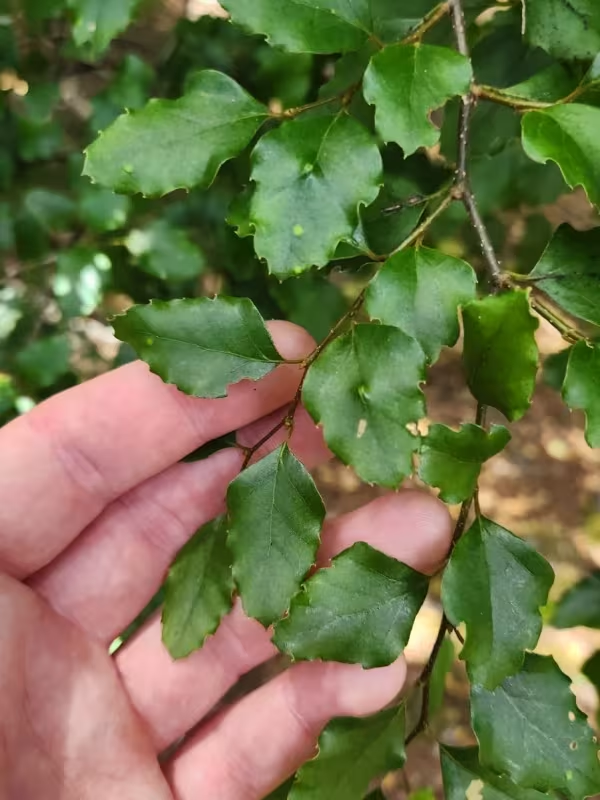
Description
Growing requirements
Red beech (Nothofagus fusca) is a significant evergreen species within the Nothofagaceae family. It is a prized timber tree native to New Zealand, known for its distinctive foliage and robust growth in specific ecological niches.
Agricultural success with this species depends heavily on site selection. It thrives in deep, fertile, and well-drained soils. Poor drainage is detrimental to the species, as it often leads to root development issues and overall loss of vigor in the plantation.
The climate requirements involve high atmospheric humidity and moderate temperatures typical of temperate maritime zones. Protection from extreme winds is essential, as the foliage is prone to desiccation, especially in young saplings.
Standard silvicultural practices for this crop include clearing competing vegetation during the establishment phase and ensuring adequate space for canopy development, which allows for uniform growth and healthy wood production.
The economic value of Nothofagus fusca is primarily linked to its high-quality, durable wood, which is utilized in fine furniture making and construction. It also serves as a crucial component in reforestation projects to restore native ecosystems.
Main diseases and pests
Root rot pathogens represent the most significant threat to red beech plantations. These fungi are typically encouraged by waterlogged soil conditions, highlighting the importance of site preparation and proper drainage.
Insect pests, particularly native lepidopterans, can cause widespread defoliation. While healthy, mature trees can often withstand some loss of foliage, young stands may suffer stunted growth or mortality if pest pressure is not managed.
The common brushtail possum remains a major invasive threat. These mammals browse heavily on the leaves and terminal buds, leading to "dieback" symptoms that can kill large sections of the canopy over time.
Stem-boring insects may attack trees that have been weakened by environmental stressors like prolonged dry spells or nutrient imbalances, making preventative health monitoring essential for forestry managers.
Integrated pest management strategies focusing on habitat maintenance and the encouragement of natural predators are the preferred methods to keep pest populations below economic damage thresholds.