
Metanarthecium luteoviride
Metanarthecium luteoviride
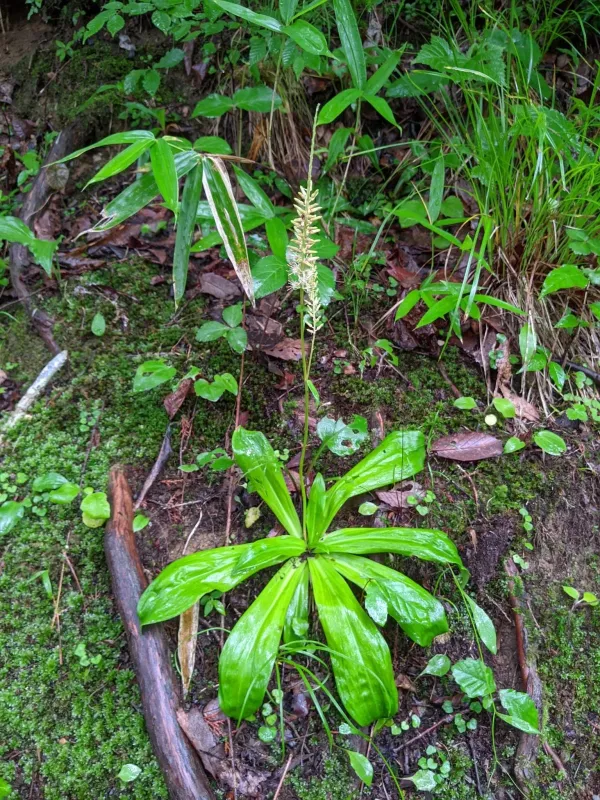
Description
Growing requirements
Metanarthecium luteoviride is a unique perennial herbaceous plant belonging to the Nartheciaceae family. This species is native to East Asia, specifically identified within the Japanese archipelago, where it thrives in specialized ecosystems characterized by high humidity and specific soil chemistry.
The plant typically inhabits moist mountain slopes and areas near water sources, requiring a habitat that mimics these natural conditions. It is highly sensitive to environmental stressors, necessitating consistent moisture levels and protection from direct, intense sunlight, which can cause leaf scorch and dehydration.
Successful cultivation of this species depends on maintaining a porous, acidic substrate rich in organic matter. Soil aeration is paramount to prevent root rot, while constant moisture retention is required to support the metabolic activities of the plant during its active growth phase in the warmer months.
Morphologically, Metanarthecium luteoviride is distinguished by its basal rosette of narrow leaves and a characteristic spike-like inflorescence. The yellow-green flowers are the key diagnostic feature, providing aesthetic appeal and playing a role in the pollination ecology of its native habitat.
From a utility perspective, this species is primarily maintained by botanical institutions and specialized horticulturists. Due to its limited geographical distribution and stringent growth requirements, it remains a specialty plant rather than a widespread agricultural crop, contributing significantly to the preservation of local floral biodiversity.