
Bayberry
Myrica L.
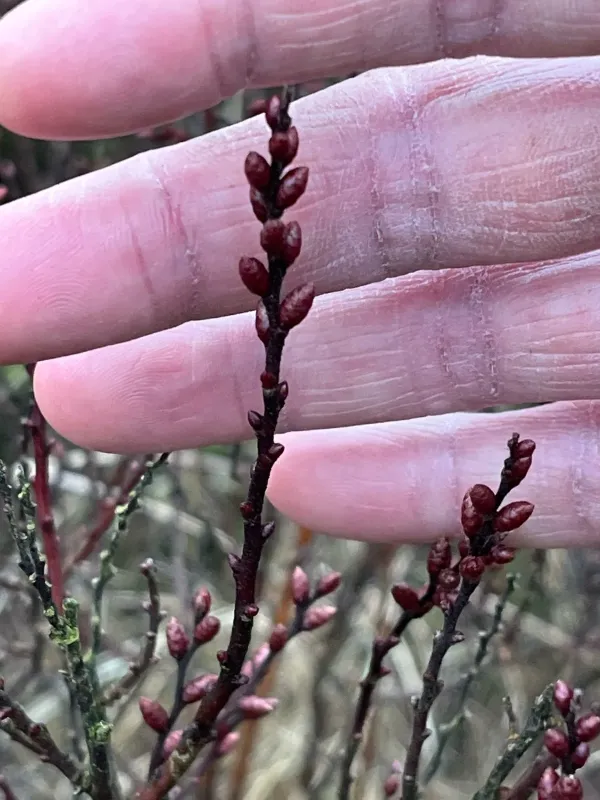
Description
Growing requirements
Bayberry (Myrica L.) is a genus of shrubs and small trees belonging to the Myricaceae family. These plants are scientifically recognized for their ability to form symbiotic relationships with nitrogen-fixing actinomycetes, which allows them to thrive in nutrient-poor and sandy soils where other crops struggle to survive.
The native range of the genus is vast, spanning across North and South America, Africa, and parts of Asia. Bayberry is highly adaptable, often found in coastal regions, swamps, and heathlands, reflecting a strong resilience against saline winds and varying degrees of soil moisture and fertility.
From a botanical perspective, the plant is characterized by its aromatic, glandular leaves and small, waxy-coated drupes. The wax produced on the surface of the fruit is a distinctive feature, historically harvested to produce fragrant candles and various medicinal preparations, contributing to its economic value.
To successfully cultivate bayberry, growers must provide acidic soil conditions with a pH ideally between 4.5 and 6.0. It requires moderate to high moisture levels and does not tolerate alkaline or calcareous soils, which can induce severe chlorosis and stunt the plant's overall growth and development.
Economic applications for Myrica include the production of bayberry wax, the use of foliage in the floral industry, and the consumption of berries in jellies or infusions. Furthermore, its role in ecological restoration, specifically in reclaiming damaged or barren land through soil nitrogen enrichment, is highly valued.
Main diseases and pests
The primary threats to Myrica include soil-borne pathogens such as Phytophthora, which can lead to root rot if the field lacks proper drainage. Ensuring that the site has excellent water infiltration is the most effective preventative measure against these devastating fungal infections.
Insect pests such as aphids and leaf-eating beetles may occasionally target the foliage, causing aesthetic and physiological damage. Integrated pest management strategies, focusing on biological controls and maintaining plant vigor, are essential for ensuring long-term plantation health and fruit production.