
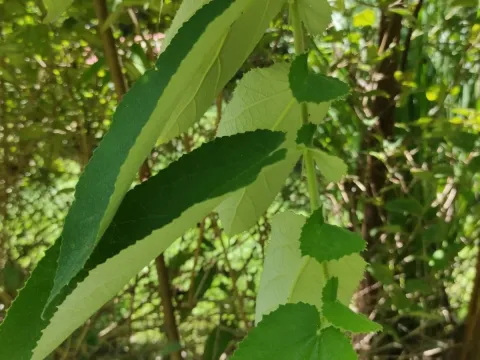
Dicraspidia
Dicraspidia
Dicraspidia is a genus of flowering plants belonging to the Malvaceae family. Naturally occurring in the tropical zones of Central and South America, these woody plants are adapted to specific ecological niches within humid forest environments.
What the section contains

Dicraspidia
The plant requires a warm, tropical climate characterized by high humidity and consistent precipitation levels. It thrives in environments where frost is entirely absent and temperature variations remain within a narrow, stable range throughout the year.
Cultivation success depends heavily on soil composition, which should be nutrient-rich, organic-matter-laden, and well-drained. The soil must allow for deep root penetration while maintaining sufficient moisture levels to support active metabolic processes.
Botanically, Dicraspidia displays distinct characteristics common to its family, including specialized floral structures and leaf morphology. Propagation is typically achieved through seeds, which often require specific scarification or stratification techniques to break dormancy effectively.
While not a major commercial crop, Dicraspidia serves as a valuable resource for botanical research and potential genetic improvement programs. Its unique physiological traits make it a subject of interest for understanding resilience in tropical vegetation under diverse environmental pressures.