
Hortonia
Hortonia
Hortonia is a genus of evergreen shrubs and small trees belonging to the Monimiaceae family. These plants are strictly endemic to the tropical rainforests of Sri Lanka, which dictates their highly specific environmental and ecological requirements for growth.
What the section contains


Hortonia
The cultivation of Hortonia requires a tropical climate with stable, warm temperatures typically ranging from 18 to 26 degrees Celsius. High humidity levels are essential, and the plants thrive best in environments that mimic the cloud forest conditions of their native range.
Regarding soil requirements, Hortonia needs well-drained, nutrient-rich substrates. Due to the high sensitivity of its root system to waterlogging, it is imperative to ensure that the growing medium remains aerated and loose, preventing the development of root rot.
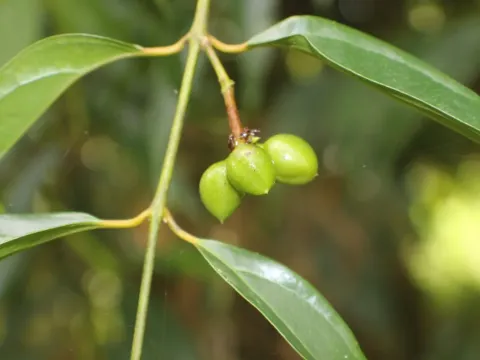
Botanically, Hortonia is characterized by its opposite, leathery leaves and specific floral structures typical of the Monimiaceae family. Its growth habit is slow, reflecting its adaptation to the competition for light and space within dense tropical forest ecosystems.
Currently, the economic use of Hortonia is minimal and primarily restricted to botanical study and ex-situ conservation efforts. While not a conventional agricultural crop, its potential for medicinal or chemical research remains a subject of ongoing botanical interest.
The primary threats to Hortonia populations include habitat fragmentation and the loss of its unique niche within the mountain forests of Sri Lanka. Like many tropical endemics, it is vulnerable to shifts in rainfall patterns and the degradation of forest canopy.
Common biological threats include various fungal pathogens that flourish in high-humidity environments, potentially causing leaf spot or stem decay. Additionally, specialized insects such as scale insects or aphids can occasionally infest foliage, weakening the plant's structural integrity.