
Hortonia floribunda
Hortonia floribunda
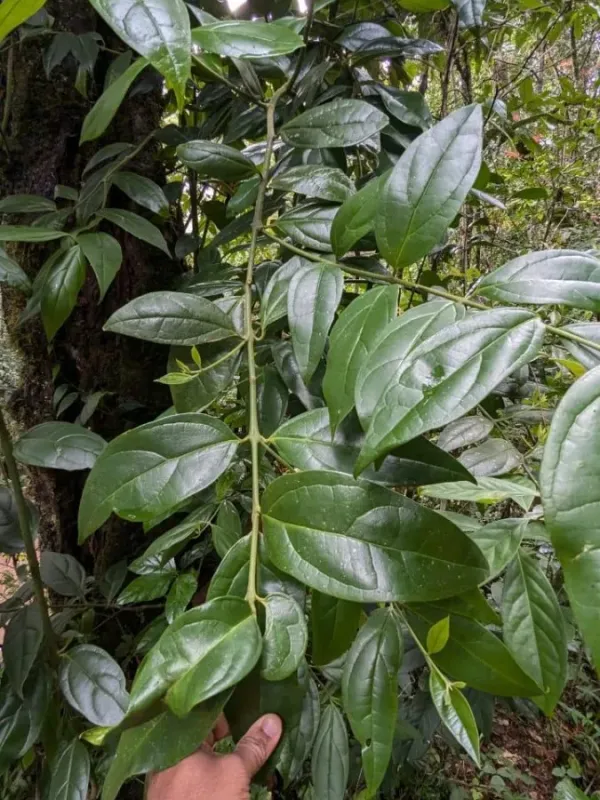
Description
Growing requirements
Hortonia floribunda is a distinct member of the Montiniaceae family, native to the tropical rainforests of Sri Lanka. It serves as a botanical subject of interest, primarily found in specialized collections due to its specific ecological requirements as an evergreen shrub.
The climate requirements for this species are strict, necessitating a high-humidity environment typically ranging between 80% and 90%. Consistent temperatures, ideally between 22 and 28 degrees Celsius, are crucial for the plant to thrive without undergoing thermal stress.
Regarding soil conditions, Hortonia floribunda requires a well-draining, slightly acidic medium. A blend of peat, perlite, and decomposed organic matter ensures adequate nutrient supply while preventing the roots from suffocation or rot, which are common in dense clay soils.
Light management is essential, as the plant prefers partial shade or dappled light conditions. Direct exposure to intense tropical sun can damage the foliage; therefore, professional cultivation often utilizes shade cloth or glasshouse environments with light-diffusing curtains.
Agronomic management involves maintaining consistent moisture levels in the substrate. While the plant loves moisture, it is highly sensitive to waterlogged roots, necessitating a drainage layer at the bottom of the planting container or in the designated garden bed.
Main diseases and pests
Common pests affecting Hortonia floribunda in a controlled environment include spider mites and scale insects. These organisms thrive in dry air, so maintaining high atmospheric humidity acts as a primary preventative measure alongside integrated pest management techniques.
Fungal infections, particularly root and stem rots, represent the most significant threat to the plant's viability. Ensuring proper air circulation and implementing a judicious watering schedule are the best methods to prevent pathogen spread and preserve plant health.