
Hedycarya
Hedycarya
Hedycarya is a genus of evergreen trees and shrubs belonging to the Monimiaceae family. Native primarily to Australia, New Zealand, and the Pacific Islands, these plants thrive in the understory of moist forests, adapted to stable, moderate environments.
What the section contains


Hedycarya
The climate requirements for Hedycarya are quite specific; they prefer subtropical conditions with high humidity and mild temperatures. They are not cold-hardy, making them suitable for cultivation only in specific climate zones or indoor botanical collections.
Soil composition is critical for the health of Hedycarya. They require rich, fertile, and well-drained loamy soils. Compaction of the soil should be strictly avoided as it hinders root respiration and often leads to fungal infections in the root zone.
Regarding light, Hedycarya is shade-tolerant when young but benefits from filtered sunlight as it matures. Overexposure to direct, intense sunlight can cause leaf scorching, particularly in areas where humidity levels fluctuate significantly.
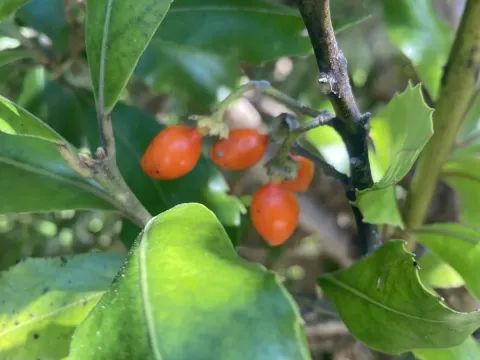
In terms of practical usage, Hedycarya is largely valued for its ornamental appeal in landscaped subtropical gardens. Its dense, glossy foliage and unique fruit structures make it an attractive specimen for botanical and garden displays.
Root rot is the most significant pathological threat to Hedycarya, typically caused by overwatering or poor drainage. Once established, the pathogen spreads rapidly, requiring immediate removal of affected plant parts and soil replacement.
Scale insects and mealybugs are the primary pests that infest the stems and leaves of the plant. These pests feed on plant sap, weakening the structure and often creating conditions for sooty mold growth on the leaf surfaces.
Fungal leaf spots can occur when the foliage remains wet for prolonged periods in poorly ventilated areas. Preventive measures include ensuring good airflow around the plant and avoiding overhead irrigation during the evening.
Spider mites pose a challenge in low-humidity environments, especially when Hedycarya is grown in greenhouses. Maintaining appropriate environmental humidity is an effective cultural practice for discouraging mite outbreaks.
General plant care involves regular pruning of dead or diseased branches to maintain plant vigor. An integrated pest management approach, including both biological and chemical controls, is recommended for long-term health.