
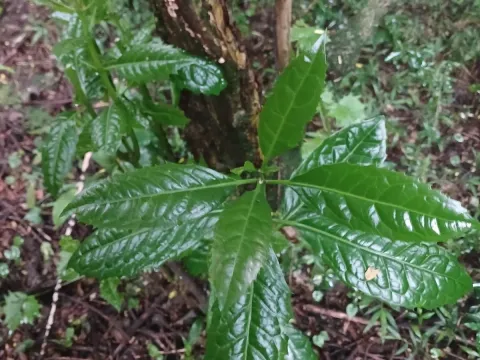
Xymalos
Xymalos
Xymalos is a genus of evergreen trees belonging to the Monimiaceae family. Its most notable species, Xymalos monospora, is native to the Afromontane regions of Eastern and Southern Africa, often found in high-altitude forests.
What the section contains

Xymalos
The tree thrives in deep, fertile soils that provide excellent drainage. It is highly sensitive to waterlogging, which necessitates careful site selection when planning for reforestation or ornamental growth in appropriate zones.
Climatically, Xymalos requires a consistent, temperate, and humid environment. It prefers the dappled light of the forest understory or canopy edge, demonstrating high adaptability to shade during its initial growth phases.
The botanical structure of the plant includes simple, leathery leaves and a robust root system adapted to nutrient-rich mountain soils. Its growth rate is generally slow, emphasizing the need for long-term management strategies.
In various хозяйственных applications, the tree is prized for its wood quality and its role in maintaining ecosystem integrity. It is increasingly studied for its phytochemical properties found within its bark and foliage.
Fungal pathogens represent the primary threat to Xymalos, particularly in stagnant air conditions or areas with inadequate soil ventilation. Root rot can occur quickly if the root zone remains saturated for extended periods.
Pests such as stem-boring beetles can cause significant structural damage to the trunk. Monitoring for entry holes and larval galleries is a critical aspect of ensuring the long-term health of the trees.
Environmental stress, including irregular rainfall patterns or extreme heat, can decrease the tree's natural immunity, making it more susceptible to opportunistic infections and pest colonization.
Effective management includes regular sanitation pruning to remove decaying wood, which acts as a primary vector for pests and disease spread within a plantation or forest block.
Preventative care also involves soil testing to ensure an adequate balance of nutrients, as deficiencies can weaken the tree, rendering it less capable of defending against naturally occurring environmental threats.