
Hortonia angustifolia
Hortonia angustifolia
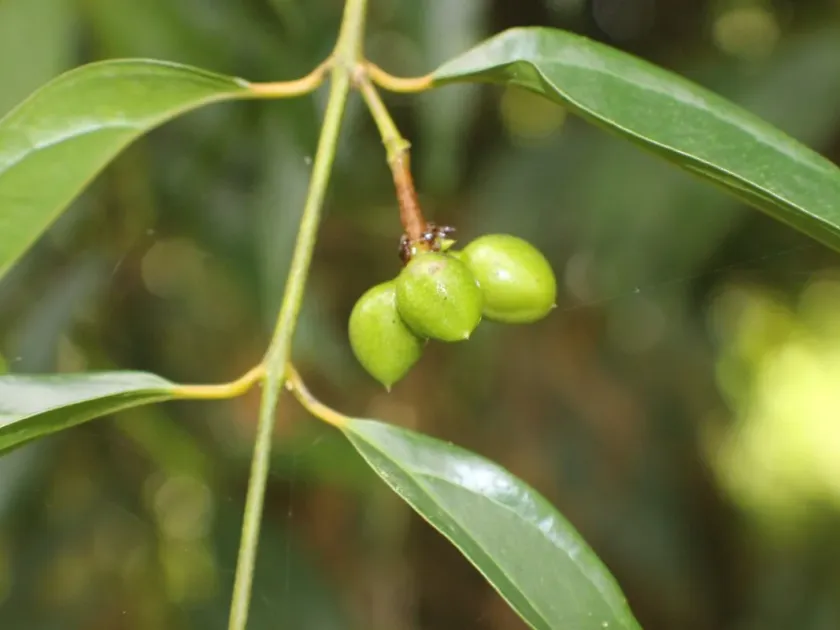
Description
Growing requirements
Hortonia angustifolia is a rare woody shrub belonging to the Monimiaceae family. It is an endemic species native to the cloud forests of Sri Lanka, where it thrives in specialized high-humidity microclimates within the forest understory.
The plant requires precise environmental control, favoring stable tropical temperatures and consistently high atmospheric moisture levels. Cultivation success depends on replicating the dappled shade and protected conditions of its native habitat.
Soil requirements include a rich organic substrate with superior drainage to prevent waterlogging. The soil reaction should be slightly acidic, providing a balanced environment for the root system to absorb essential microelements effectively.
Agricultural management involves regular watering schedules to keep the root ball moist but not saturated. The growth rate is relatively slow, and plants benefit from organic amendments applied during the active vegetation stage to promote healthy foliage development.
Economically, this species is of interest for its potential pharmacological and cosmetic applications. Research focuses on the phytochemical profile of the leaves, which are rich in aromatic compounds and alkaloids that may prove valuable for future specialized bio-industries.
Main diseases and pests
Root rot, primarily caused by fungal pathogens such as Phytophthora, represents the most significant threat to Hortonia angustifolia. Excessive soil moisture combined with poor drainage creates a perfect environment for these infections to decimate plant populations.
Pest pressures primarily come from sap-sucking insects like spider mites and scale insects. These pests feed on the nutrient-rich sap of the foliage, leading to yellowing, distortion of leaves, and significant loss of photosynthetic potential in infested plants.
Control strategies for diseases focus on strict sanitation and irrigation management to maintain soil health. Fungicidal applications are recommended as a secondary measure to treat localized infections without harming the delicate tissue of the shrub.
Integrated Pest Management (IPM) practices are ideal, favoring the use of biological controls to manage mite and scale populations. Regular scouting of the leaf undersides is crucial to detect early signs of pest presence before an outbreak occurs.
Environmental stress, such as low humidity or high-temperature extremes, significantly weakens the plant’s defenses, making it more susceptible to secondary pathogenic attacks. Maintaining stable growth parameters is the best defense against major threats.