
Peumus
Peumus
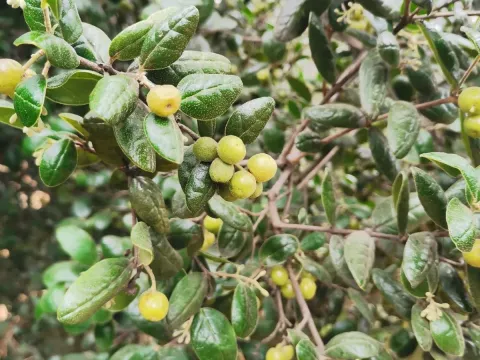
Peumus, specifically the species Peumus boldus, is an evergreen tree belonging to the Monimiaceae family. It is native to the central regions of Chile and is a key component of the local sclerophyllous forests, thriving in a Mediterranean-type climate.
What the section contains

Peumus
For successful cultivation, the plant requires well-drained, fertile soil and a location with significant sun exposure. It is highly intolerant of waterlogged conditions, making proper soil preparation and drainage systems essential for healthy tree development.
Botanically, Peumus is a slow-growing species characterized by aromatic, leathery leaves covered with fine hairs. These leaves are the primary part of the plant used for commercial and medicinal purposes due to their high content of the alkaloid boldine and various volatile oils.
The ideal climate for this crop is characterized by mild, wet winters and warm, dry summers. While the plant shows moderate resistance to drought once established, young trees must receive consistent irrigation to prevent stunted growth and ensure optimal leaf yield.
The agricultural importance of Peumus is largely based on its herbal value. The leaves are dried and exported globally for use in tea blends and as supplements meant to support liver health, digestive functions, and as a flavoring agent in traditional Latin American cuisine.
Peumus is susceptible to fungal infections, particularly those affecting the roots if the drainage is inadequate. Root rot is a common issue in orchards where soil moisture levels are not carefully monitored and controlled.
Pests such as scale insects and aphids can significantly impact the quality of the foliage. These pests feed on plant sap, leading to leaf discoloration, premature shedding, and the development of sooty mold, which degrades the marketable quality of the harvested leaves.
Integrated pest management (IPM) is crucial when farming Peumus, as the end product is intended for consumption. Strategies often involve the use of beneficial insects, neem oil, or other organic alternatives to minimize the use of harsh synthetic chemicals.
Regular pruning is a standard agricultural practice used not only for harvesting but also to improve air circulation within the tree canopy. This helps reduce the humidity levels that favor fungal pathogen growth and ensures that sunlight reaches the lower leaf clusters.
Environmental stressors like prolonged frost can cause severe damage to younger specimens. Therefore, protecting the crop from extreme temperature drops is a vital part of the agronomic plan, especially during the first few seasons after planting.