
Hedycarya arborea
Hedycarya arborea
Description
Growing requirements
Hedycarya arborea, commonly known as Pigeonwood, is a species of evergreen tree belonging to the Monimiaceae family. It is native to New Zealand, where it is found in both lowland and montane forests throughout the North and South Islands.
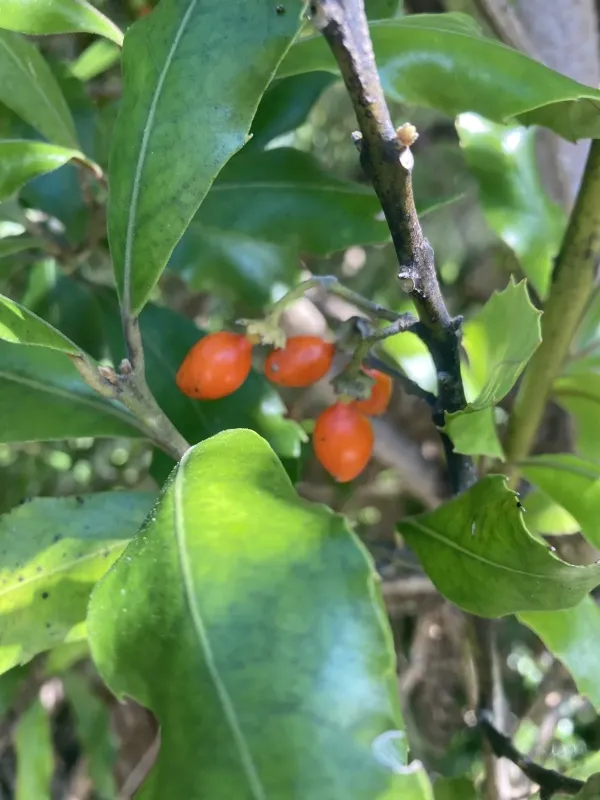
Botanically, it is recognized for its glossy, serrated leaves and distinct yellowish flowers. The tree produces small, bright orange or red fruit drupes that are highly attractive to local bird species, which play a crucial role in its natural seed dispersal.
The plant thrives in temperate climates with high atmospheric humidity and moderate rainfall. It is best suited for sheltered areas where it can be protected from strong, drying winds, which can lead to leaf scorch and desiccation.
Regarding soil requirements, Hedycarya arborea prefers fertile, well-draining soils with a slightly acidic to neutral pH. It exhibits poor tolerance for waterlogged conditions, making adequate drainage a mandatory requirement for successful cultivation.
In terms of usage, the Pigeonwood is primarily valued for ecological restoration projects. Its dense growth habit makes it an excellent choice for windbreaks and screening in native garden designs, contributing to local biodiversity conservation.
Main diseases and pests
The primary threat to the natural regeneration of Hedycarya arborea is the introduced Australian brushtail possum. These animals feed heavily on the tree's foliage and young shoots, often leading to severe dieback and failure of natural forest recruitment.
Fungal infections, particularly those affecting the foliage, can become problematic in damp, stagnant air conditions. Proper spacing and airflow are essential management practices to minimize the spread of such pathogens within a plantation.
Pests such as scale insects may infest the branches, drawing sap and inducing secondary symptoms like sooty mold growth. Routine monitoring and the application of horticultural oils can effectively manage these populations when outbreaks occur.
Root rot caused by Phytophthora species can be a silent threat if the soil structure remains constantly saturated. Preventing water stagnation is the most effective preventative measure against soil-borne pathogens.
Environmental stress, including prolonged droughts or unseasonable frosts, can weaken the immune system of the trees. Providing adequate supplementary irrigation during dry spells is critical for maintaining long-term vitality and resistance to diseases.