
Conostegia xalapensis
Conostegia xalapensis
Description
Growing requirements
Conostegia xalapensis is a perennial shrub or small tree belonging to the Melastomataceae family. It is widely recognized for its robust growth habit and is native to the tropical regions of Mexico and Central America.
The plant typically thrives in humid tropical environments, ranging from sea level to higher elevations. It is a pioneer species often found in secondary forests, pastures, and along forest edges where sunlight is abundant.
Cultivation requires well-drained soil, although the plant shows high adaptability to various soil types, including poor or nutrient-depleted soils. It is highly valued for its ability to stabilize soil and contribute to ecological restoration.
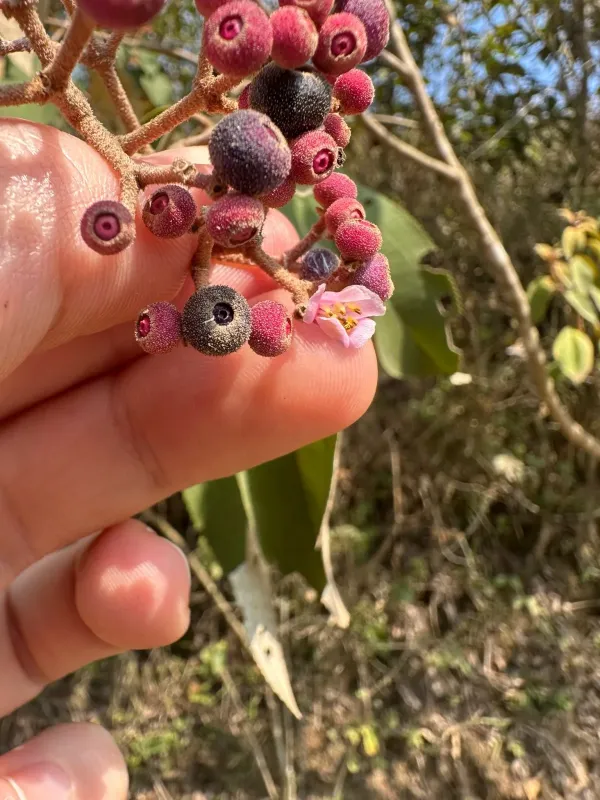
Botanically, it is distinguished by its opposite, leathery leaves with prominent longitudinal veins. The white flowers, produced in large terminal panicles, are highly attractive to various pollinators, including bees and butterflies.
In terms of land use, Conostegia xalapensis serves as an excellent nectar source and provides cover for local wildlife. Its berries are edible, and the plant plays an integral role in local biodiversity maintenance.
Main diseases and pests
The primary threats to Conostegia xalapensis involve fungal diseases that primarily affect the foliage during periods of excessive rainfall or poor air ventilation.
Pest issues such as mealybugs and aphids can occasionally target new growth. Integrated pest management strategies, focusing on early detection, are highly effective in managing these outbreaks.
Root rot is a major concern if the plant is established in areas prone to waterlogging. Ensuring proper soil structure and drainage is critical for long-term survival.
Cultural practices such as thinning out dense branches help maintain airflow, significantly reducing the risk of fungal proliferation within the shrub's canopy.
For sustainable cultivation, maintaining soil health and providing adequate space between plants are essential steps to minimize the need for external chemical inputs.