
Chamaelirium japonicum
Chamaelirium japonicum
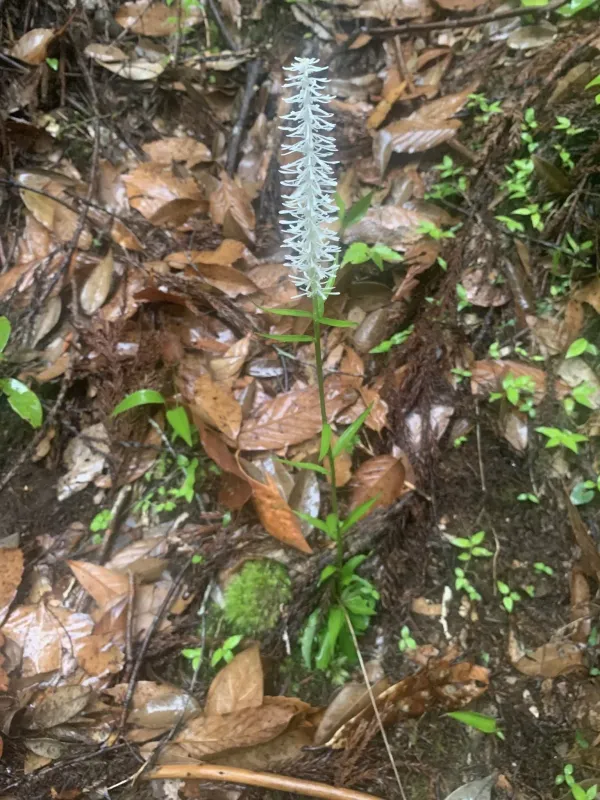
Description
Sowing dates
Sowing seeds of Chamaelirium japonicum is best performed in late autumn or early spring after a mandatory period of cold stratification. Seeds require exposure to low temperatures for 30-60 days to break their physiological dormancy.
Use a light, well-draining substrate rich in peat and sand for starting the seeds. Sow them on the surface, as they require light to germinate, and cover them only with a thin layer of vermiculite or fine sand.
The optimal temperature for germination is between 15 and 20 degrees Celsius. Maintain consistent moisture levels throughout the process, ensuring the medium does not become waterlogged to prevent damping-off diseases.
Starting plants in containers allows for better monitoring of the slow-growing seedlings during their first year. Prick out the seedlings once the first true leaves appear, taking great care to protect the delicate root system.
When transplanting to a permanent location, choose a spot where the plant can remain undisturbed for years. Ensure sufficient spacing, as the plant develops a wide basal rosette of leaves as it matures.
Growing requirements
Chamaelirium japonicum, a member of the Melanthiaceae family, originates from East Asian forest environments. It is a perennial herbaceous plant that thrives in partial shade with protection from intense midday sun.
The culture requires rich, moist, slightly acidic to neutral forest soil. High-quality drainage is essential, as water stagnation in the root zone is lethal and will quickly lead to root rot in this species.
The plant is reasonably cold-hardy, but applying a layer of mulch in late autumn is recommended in regions with harsh, snowless winters to protect the rhizome. Ideal growing temperatures range from 18 to 24 degrees Celsius.
Consistent moisture is key to success. During dry spells, regular watering is required to maintain soil health, as the plant does not tolerate deep drought, which can lead to wilting of the leaf rosette.
The agronomic management includes applying a balanced, diluted organic or mineral fertilizer at the start of the spring growing season. Avoid high-nitrogen fertilizers that encourage excessive vegetative growth at the expense of floral development.
Main diseases and pests
The most significant threat to Chamaelirium japonicum is root rot caused by poor soil drainage and overwatering. If the planting site does not have adequate drainage, fungal pathogens will quickly colonize the root system.
Foliage can be susceptible to powdery mildew in conditions with stagnant air or high humidity without ventilation. Proper hygiene, such as removing senescent leaves and ensuring spacing between plants, is the best preventative measure.
Snails and slugs pose a serious risk to young, tender plants during the early spring months. Utilize physical barriers, such as copper tape or wood ash, to protect the base of the plants from these mollusks.
Soil-dwelling larvae can damage the root systems of mature specimens. Regular inspection of the plant's vigor is necessary, and targeted biological treatments can be applied if localized pest activity is detected.
When grown in greenhouse environments, spider mites can become an issue if humidity levels are too low. Periodic misting and climate control are effective strategies for preventing infestations of these common garden pests.