
Fairywand
Chamaelirium luteum
Description
Sowing dates
Sowing Fairywand (Chamaelirium luteum) seeds is best performed in the autumn immediately after harvest, as the seeds require a period of natural stratification to break dormancy. In commercial settings, seeds are often kept in moist media at cool temperatures for 60 to 90 days before sowing.
For spring sowing, artificial stratification in a refrigerator is mandatory to achieve successful germination. Seeds should be sown on the surface of the soil, as they are light-dependent; pressing them gently into the growing medium is sufficient to ensure they stay in place while receiving adequate light.
Germination is notoriously slow and sporadic, requiring constant moisture levels in the seedbed. The optimal temperature for the germination process ranges between 15°C and 20°C (59°F–68°F).
Seedlings develop very slowly during their first year. It is highly recommended to keep them in nursery flats or controlled environments for the first season to ensure they are protected from environmental stresses and aggressive weeds before transplanting.
When moving to a permanent field, a planting density of approximately 8 to 10 plants per square meter is advised. This spacing allows sufficient room for the slow-growing rhizomes to reach their full potential without competing for limited underground resources.
Growing requirements
Fairywand, a member of the Melanthiaceae family, natively thrives in moist, shaded woodland environments. In a cultivation scenario, mimicking these conditions is essential: partial to deep shade is preferred, especially in warmer climate zones.
The plant demands rich, organic, well-draining soil with a slightly acidic to neutral pH. It cannot tolerate waterlogged soil, but it requires consistent moisture throughout the growing season, necessitating a well-managed irrigation system like drip lines.
Climate management is crucial; this perennial is adapted to temperate regions. It requires cold winters for dormancy and may need protection in areas with extreme freezing temperatures without snow cover, typically provided by organic mulch.
Commercial plantations often employ shade cloths to protect the foliage from intense midday sun, which can cause leaf scorch and soil desiccation. Keeping the root zone cool is vital for the plant's overall health and vigor.
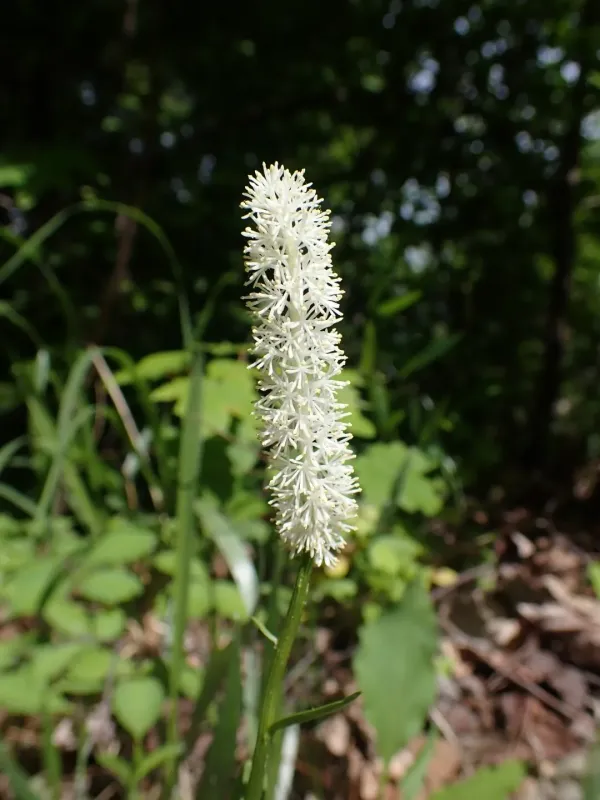
Botanically, the plant features a basal rosette of leaves and a tall, elegant inflorescence that can reach up to one meter in height. The small, creamy-white flowers are arranged in a spiky raceme, providing both aesthetic appeal and biological value.
Yield
Yielding a harvest of rhizomes is a long-term investment, as the roots require at least 3 to 5 years of growth to develop sufficient medicinal concentration. Harvesting earlier would result in poor quality and low active ingredient content.
Yield expectations generally fall between 500 and 800 kilograms of dried root per hectare under optimal conditions. This depends heavily on soil fertility, consistent irrigation, and meticulous weed management throughout the plant's life cycle.
Weed control is the single most important factor for yield; since Fairywand grows slowly, it cannot compete with weeds. If left unchecked, weeds can suppress the plant's development and significantly reduce the final harvest weight.
Harvesting is performed by digging out the rhizomes carefully. The quality of the finished product is dependent on the cleanliness of the roots and the speed of transport to the drying facility, avoiding any fermentation during the handling process.
The primary economic value lies in the root, historically known as Aletris. It is processed for the pharmaceutical industry, where it is utilized in formulations targeting female reproductive health and hormonal balance.
Main diseases and pests
The main threat to Fairywand plantations is root rot, typically caused by fungi such as Fusarium or Phytophthora. These pathogens thrive in poorly drained soils or areas where water remains stagnant for extended periods.
Botrytis (gray mold) can become an issue in overly dense plantings with restricted air circulation, especially during humid or rainy seasons. Preventing overcrowding and ensuring adequate spacing are key preventative measures.
Slugs and snails are the primary pests that target young, tender foliage during the spring. Implementing integrated pest management, including natural barriers or biological control, is necessary to minimize damage to the growing rosettes.
Soil-dwelling pests like wireworms or white grubs are less common but can cause localized damage to the rhizomes. Conducting a pre-planting soil analysis helps identify and manage these pests before they threaten the long-term crop.
Adhering to strict crop rotation is recommended to break the life cycle of soil-borne pathogens. Avoiding previous crops that are susceptible to the same fungal threats is a standard best practice for herb farmers.
Harvesting
Harvesting takes place in late autumn after the foliage has naturally withered. This ensures that the plant has translocated its nutrients and active compounds into the rhizome, reaching peak concentration before winter dormancy.
Roots are extracted using garden forks to prevent mechanical damage, which could reduce the quality of the raw material. Cleanliness is paramount; roots should be washed immediately to remove soil particles before drying.
Drying is performed in shaded, well-ventilated structures or temperature-controlled drying cabinets. Maintaining a temperature below 40°C is critical to preserve the integrity of the bioactive saponins found within the root.
Once dried, the product should be stored in moisture-proof containers in a cool, dark environment. Proper storage prevents degradation, allowing the farmer to keep the product for up to three years while awaiting market opportunities.
Post-harvest handling is a delicate process where any overheating or exposure to direct sunlight can severely damage the medicinal profile of the crop, highlighting the need for efficient drying and cool storage protocols.