
Brook trillium
Trillium rivale
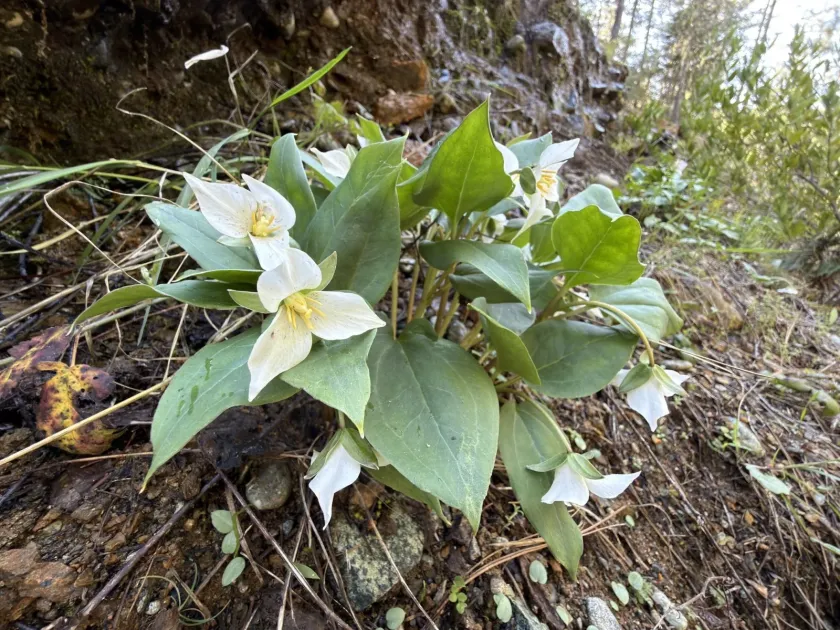
Description
Sowing dates
Brook trillium (Trillium rivale) is a small, rhizomatous perennial belonging to the Melanthiaceae family. It is a slow-growing species highly valued by enthusiasts of woodland gardens and shade-loving flora.
Propagation is typically performed via seed or division. Seeds require a cycle of warm and cold stratification to break dormancy, making the germination process quite lengthy, often taking over a year.
When propagating by division, the operation should be done during the plant's dormant phase, usually in late summer or autumn. This allows the roots to establish before winter frost arrives.
When planting, ensure the rhizomes are positioned horizontally and covered with a few centimeters of rich, organic soil. Avoid deep planting to prevent the crown from smothering.
Newly divided plants should be watered thoroughly and kept in a shaded area until they show signs of active growth. Maintaining a constant moisture level is critical for successful establishment.
Growing requirements
Native to the Pacific Northwest of the United States, this species thrives in cool, moist, and well-drained conditions. It is frequently found in rocky, limey soils near streams or in open woodland areas.
The ideal planting site provides dappled shade. Direct sunlight, especially in the afternoon, can scorch the leaves and cause the plant to enter dormancy prematurely.
Soil quality is paramount: it should be light, friable, and rich in humus. Incorporating decomposed leaf mold or peat helps retain essential moisture while preventing waterlogged conditions.
Climate adaptability is limited; Trillium rivale prefers cool summers. In regions with very hot weather, extra care must be taken to maintain soil moisture and atmospheric humidity around the plants.
Mulching the base of the plant with pine needles or small wood chips is recommended. This preserves soil structure and mimics the natural environment of the forest floor.
Main diseases and pests
Slugs and snails are the most persistent pests for this species. They find the tender foliage particularly attractive and can strip a plant in a single night if not managed.
Fungal diseases like Botrytis or root rot are common if the plants are placed in compacted or poorly draining soils. Air circulation and correct soil drainage are the primary defenses.
Aphids might appear on the undersides of the leaves during the early growing season. If infestations occur, they can be controlled using soft insecticidal soaps or manual removal.
Deer and rodents occasionally pose a threat. Deer may browse the foliage, while rodents can dig up the rhizomes during winter dormancy, requiring protective netting or fencing.
Regular monitoring during the spring and autumn is essential. Promptly removing diseased foliage and keeping the area free of accumulated debris helps prevent the spread of pathogens.