
Senra incana
Senra incana
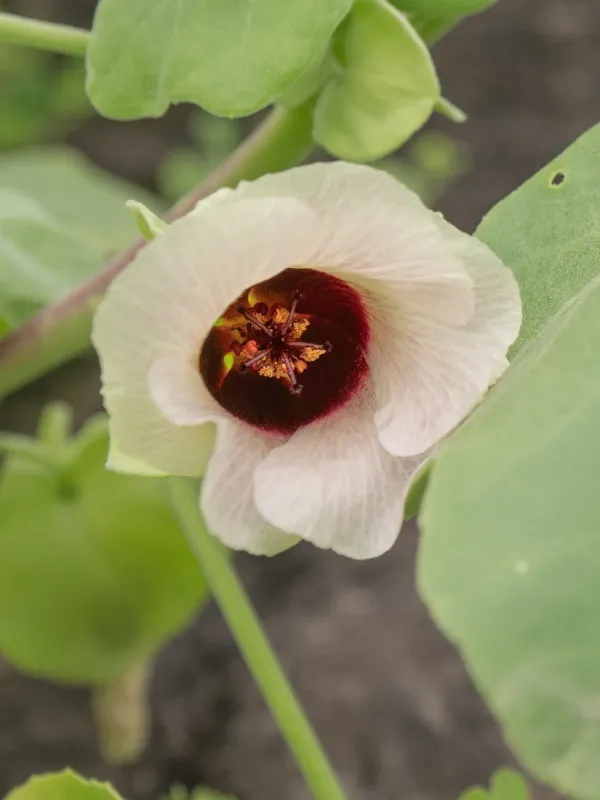
Description
Sowing dates
Senra incana is a heat-loving crop, so sowing times depend strictly on the soil warming up. In its native habitats, sowing is performed in late spring when stable positive temperatures are established.
For successful germination, maintaining stable moisture in the topsoil is crucial. A row sowing pattern is preferred, providing adequate spacing for each plant to support its branched structure.
The sowing depth typically ranges from 2 to 4 centimeters, depending on soil texture. Lighter, sandy soils require slightly deeper placement to prevent premature drying of the seedbed.
Avoiding the risk of late spring frosts is vital, as young seedlings are extremely sensitive to cold temperatures. In arid climates, early morning sowing is recommended to maximize moisture retention.
Rolling the soil after sowing improves seed-to-soil contact, which is critical for uniform germination in harsh environmental conditions.
Growing requirements
Senra incana is a perennial shrub belonging to the Malvaceae family, well-adapted to arid and semi-arid zones. The plant displays high levels of xerophytic tolerance.
The crop prefers well-drained, sandy, or rocky soils with a neutral to slightly alkaline pH. Waterlogging is detrimental to this species and will quickly lead to root system decay.
Optimal temperatures for active vegetation range from +25 to +35 degrees Celsius. The plant withstands long drought periods thanks to a robust, deep taproot system.
Senra requires maximum solar exposure throughout the entire day. Any shading will lead to etiolated stems, reducing the plant's biological potential and fiber quality.
In its natural habitat, it thrives on sand dunes and open plains, reflecting its high tolerance for saline soils and low-nutrient environments.
Yield
The primary use of Senra incana is the production of high-strength technical fiber. Biomass formation occurs at a moderate pace due to the plant's adaptation to arid conditions.
Under intensive cultivation with proper management, green biomass yields can reach significant levels for semi-desert regions. The plant's ability to branch contributes significantly to total biomass.
Fiber content in the stems remains consistent, though the raw material quality depends on the harvest timing. The optimal harvest window is during active flowering, before stem lignification occurs.
Crop productivity also includes seed harvesting. Seeds maintain high viability for several years if stored correctly in dry, cool conditions.
Productivity increases with minimal nitrogen fertilization, although excess mineral input may negatively affect the mechanical properties of the fiber structures.
Main diseases and pests
The primary threats to Senra incana are fungal pathogens that thrive during periods of abnormal rainfall. Excess air humidity promotes stem rot infections.
Among insect pests, various leaf beetles and spider mites pose the greatest threat, particularly during hot and dry weather cycles.
Nematodes may infest the root systems, especially when grown as a monoculture on light soils. Strict crop rotation is the best preventive measure.
Aphid outbreaks are possible early in the vegetative season. Biological insecticides are recommended as a sustainable way to manage these populations.
- Fungal infections in humid conditions
- Leaf-eating insect outbreaks
- Root nematode infestations
- Viral mosaic spread by insect vectors
Harvesting
Harvesting of Senra incana is carried out either manually or mechanically, depending on the scale of production. Stems are cut 5-10 centimeters above the soil surface.
The harvested biomass undergoes primary processing to extract the fiber. Drying must occur in well-ventilated areas, protected from direct moisture and rainfall.
To prevent fiber quality degradation, harvested biomass should not be left in the field for extended periods. Efficient transport to processing facilities is essential.
Seeds are collected after the pods have fully matured. Timely collection is critical, as seeds can easily shatter and disperse in the high winds common to the plant's native regions.
Post-harvest residues should be incorporated into the soil or used as mulch to improve soil structure and retain moisture for the following season.