
Rhynchosida physocalyx
Rhynchosida physocalyx
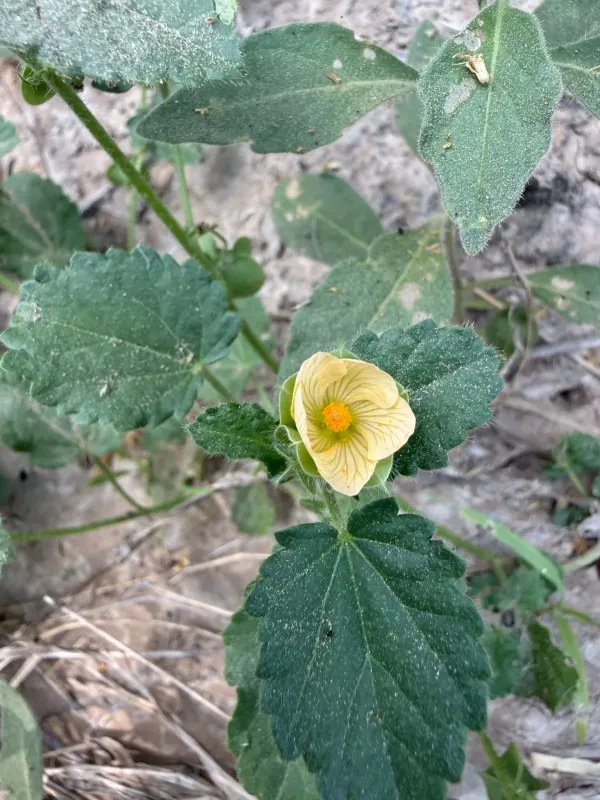
Description
Growing requirements
Rhynchosida physocalyx belongs to the Malvaceae family. It is a perennial herbaceous plant or small shrub known for its resilience and ability to thrive in harsh environmental conditions.
Native to tropical and subtropical regions of the Americas, this species is well-adapted to high-temperature climates. It flourishes in areas where water availability may be erratic, demonstrating a robust survival strategy.
The plant thrives in well-drained, sunny locations. It has minimal soil fertility requirements, making it a viable candidate for growth in degraded lands where more sensitive crops would typically fail to establish.
Botanically, the species is identified by its distinctive inflated calyx. The foliage often features pubescence, an evolutionary adaptation that helps the plant regulate transpiration and protect against extreme solar radiation.
While often categorized as a wild or ruderal species, its potential for fiber production and ecological restoration makes it an interesting subject for agricultural study and experimental cultivation.
Main diseases and pests
The primary threats to Rhynchosida physocalyx include fungal diseases such as powdery mildew, which can become prevalent in conditions of poor air circulation or high humidity.
Pests such as spider mites and various lepidopteran larvae frequently attack the foliage, especially during peak growth stages when succulent tissues are most abundant.
Root-knot nematodes pose a significant underground threat, potentially stunting growth and reducing the plant's overall vigor if the soil management is inadequate.
Effective management requires a proactive approach to weeding, as competitive plant species can easily crowd out the development of this crop during the germination period.
Implementation of integrated pest management (IPM) strategies, including the use of botanical repellents and rotation cycles, is recommended to ensure crop sustainability.