
Chiranthodendron pentadactylon
Chiranthodendron pentadactylon
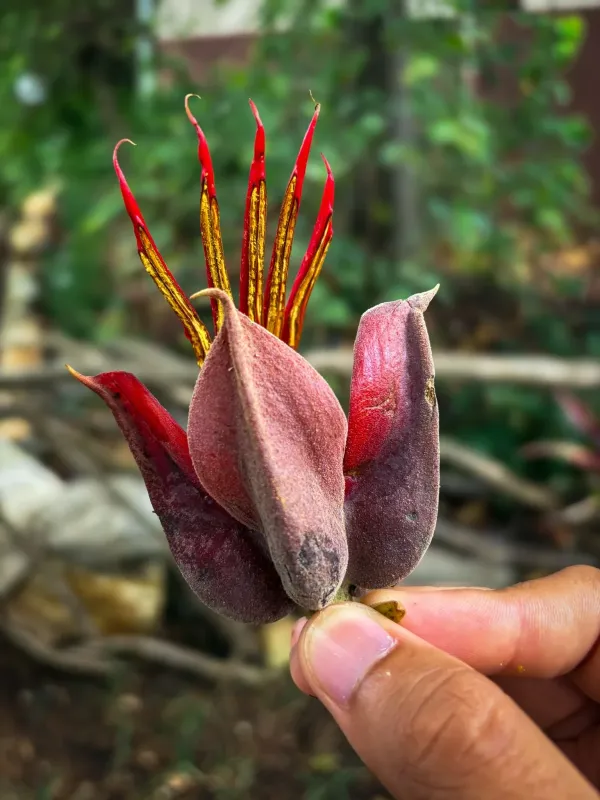
Description
Sowing dates
Propagation of the Chiranthodendron is primarily done via seeds, which should be sown fresh to ensure high germination rates. It is recommended to scarify the hard seed coat to allow water absorption and speed up the process.
The optimal sowing time is early spring. Seeds should be placed in a loose, well-draining potting medium rich in organic matter. Maintaining a stable temperature between 22 and 25 degrees Celsius is crucial.
Plant the seeds at a depth of 1-2 centimeters and cover the container to create a humid microclimate. Patience is required, as the germination process can be slow and sporadic, lasting several weeks.
Once the seedlings develop their first true leaves, they should be carefully pricked out into individual pots. Providing adequate light and ventilation from an early stage helps in developing strong, healthy root systems.
Young plants are sensitive to transplant shock, so it is advisable to use biodegradable pots or handle the root ball with extreme care during the transfer process.
Growing requirements
Belonging to the Malvaceae family, this species is native to the cloud forests of Mexico and Guatemala. It thrives in temperate to subtropical climates and requires protection from frost.
The ideal soil for this tree is fertile, loamy, and well-aerated. Good drainage is paramount, as the roots are highly susceptible to rot if water is allowed to stagnate in the substrate.
Chiranthodendron prefers a sunny location with partial shade during the most intense afternoon hours in hotter climates. It needs shelter from strong winds that can damage its large, leathery leaves.
Irrigation should be consistent but moderated according to the season. During the winter months, the plant enters a state of slowed growth, requiring significantly less water to prevent fungal issues.
Regular fertilization with a balanced, phosphorus-heavy fertilizer during the spring and summer months encourages the development of its iconic, hand-shaped red flowers.
Main diseases and pests
Common pests affecting this species include spider mites and scale insects, which often appear when the plant is kept in conditions with low humidity. Regular inspections are vital for early detection.
Root rot is the most significant disease threat, typically caused by overwatering or compacted soil. Ensuring optimal drainage and using high-quality potting mixes can mitigate this risk effectively.
Fungal leaf spot may occur in high-humidity, low-airflow environments. To prevent this, ensure that the plant has enough space and good air circulation, especially in greenhouse conditions.
Nutrient deficiencies, particularly iron or magnesium, can manifest as interveinal chlorosis. Applying chelated fertilizers provides a quick solution to restore leaf health and vigor.
If chemical intervention becomes necessary for pest control, use targeted systemic insecticides. Always ensure that the treatment is safe for the specific growth stage of the Chiranthodendron.
Harvesting
The primary use of the Devil's Hand tree is ornamental. It is widely prized in botanical gardens and large private landscapes for its unique, claw-like red flowers that bloom throughout the warmer months.
Due to its striking appearance, the tree is highly valued by collectors. While it is not a commercial crop for food or timber, its flowers serve as a significant attraction in eco-tourism sites within its native range.
Historically, indigenous cultures used various parts of the tree for medicinal purposes. Today, research continues to explore the phytochemical properties of its extracts for potential pharmacological applications.
Seed harvesting is performed manually once the seed capsules have matured and begun to dry on the tree. Proper storage in a cool, dry place is essential to maintain seed viability until the next planting season.
The wood is generally soft and not suitable for heavy construction, serving mainly as a secondary material for small local crafts where ornamental value is prioritized over structural durability.