
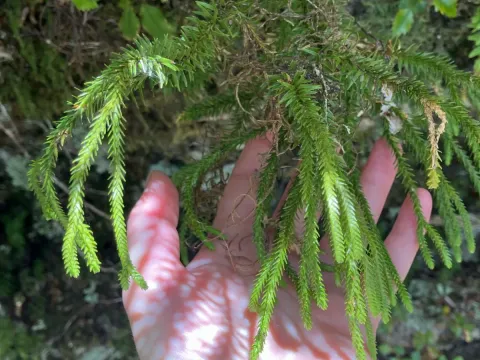
Phlegmariurus
Phlegmariurus
Phlegmariurus is a genus of vascular plants belonging to the Lycopodiaceae family, commonly recognized as epiphytic clubmosses. These plants are biologically adapted to grow on tree trunks and rocky substrates within tropical and subtropical climates.
What the section contains

Phlegmariurus
Successful cultivation requires strict adherence to environmental conditions, specifically high humidity levels ranging from 70 to 80 percent. Maintaining a stable microclimate is crucial for the health and elongation of their delicate, trailing stems.
The temperature range should be kept between 18 and 24 degrees Celsius. Phlegmariurus species are highly intolerant to frost and sudden temperature fluctuations, which can cause significant tissue damage and root senescence.
The choice of substrate is a fundamental aspect of its agronomy. Since these are epiphytes, the potting medium must be highly porous, consisting of orchid bark, sphagnum moss, and charcoal to prevent water stagnation and ensure optimal root aeration.
Regular maintenance involves light misting or bottom watering with purified, low-mineral water. Avoiding tap water with high salt content is essential, as salt accumulation in the substrate can lead to nutrient lock-out and decline.
The primary threats to Phlegmariurus health include fungal pathogens, such as Pythium and Phytophthora, which thrive in poorly ventilated environments with stagnant moisture.
Pests such as spider mites and mealybugs represent a significant risk, especially when the ambient humidity drops below the recommended threshold, weakening the plant's natural defenses.
Preventative measures should focus on maintaining adequate airflow and hygiene within the growing area, ensuring that dead or decaying foliage is removed promptly to avoid disease spread.
When chemical treatment is necessary for pest control, only systemic insecticides with low toxicity are recommended, as the delicate foliage of Phlegmariurus can be highly sensitive to harsh chemical surfactants.
Improper watering regimes, specifically overwatering, lead to anaerobic conditions in the root zone, which facilitates rapid bacterial decay and eventual death of the entire plant specimen.