
Phlegmariurus dichotomus
Phlegmariurus dichotomus
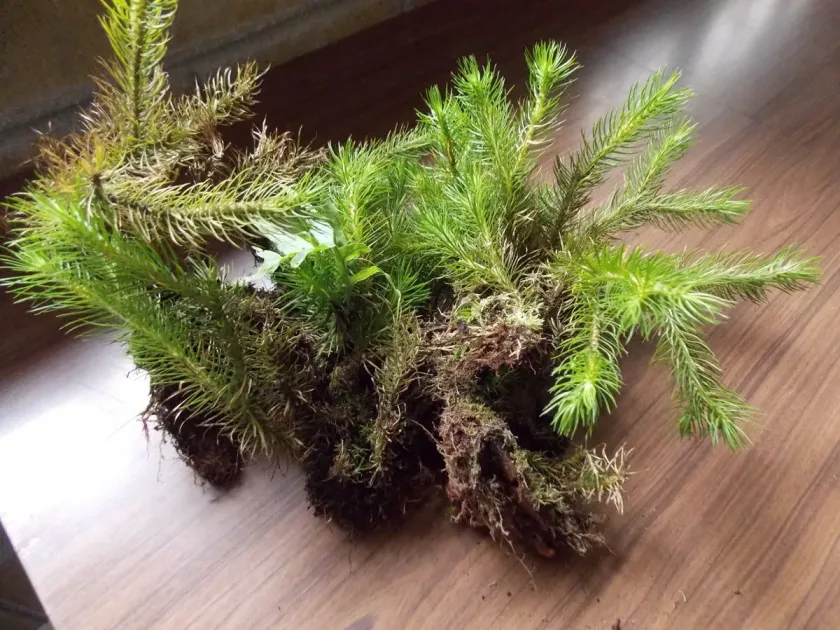
Description
Growing requirements
Phlegmariurus dichotomus is a member of the Lycopodiaceae family. This species is primarily epiphytic, naturally occurring in tropical rainforests where it grows on tree branches, thriving in high-humidity environments.
Successful cultivation requires a stable environment with high relative humidity, ideally between 70% and 85%. Because of these specific needs, this plant is best suited for vivariums, terrariums, or greenhouses where the microclimate can be strictly controlled.
The plant prefers bright, indirect light. Direct sunlight can cause significant damage to the delicate stems, leading to scorching and dehydration, so positioning it in filtered light or partial shade is essential for healthy growth.
The potting medium must be highly porous and well-draining, similar to substrates used for orchids. A mixture of pine bark, long-fiber sphagnum moss, and charcoal is recommended to provide optimal airflow around the roots.
Temperature should be kept consistent, ideally between 18°C and 25°C. Avoiding cold drafts and sudden temperature fluctuations is critical, as the plant is sensitive to thermal stress which can cause foliage drop.
Main diseases and pests
The most common threat to this species is root rot, which typically occurs due to overwatering or poor drainage. Ensuring the substrate does not stay waterlogged is the most important aspect of preventing fungal pathogens.
Pests such as spider mites and mealybugs can pose a threat, particularly if the plant is kept in conditions with low air circulation. Regularly misting the plant and providing fresh air movement helps deter these common pests.
Fungal infections may appear if the foliage stays wet for too long without proper airflow. To mitigate this, ensure the leaves can dry out slightly after misting and keep the immediate environment clean and sanitary.
Chlorosis and leaf tip burn can occur if the water used for irrigation is too hard. Always use distilled, rain, or reverse osmosis water to prevent the accumulation of mineral salts in the growing medium.
Monitoring for signs of stress is vital. If the plant shows yellowing or stunted growth, check for substrate compaction or water quality issues, as these are the primary drivers of health decline in indoor environments.