
Gardneria nutans
Gardneria nutans
Description
Growing requirements
Gardneria nutans is a woody vine belonging to the Loganiaceae family. Native to the tropical regions of Southeast Asia, this plant thrives in humid forest environments, utilizing its climbing habit to reach filtered light levels in the dense understory of its natural habitat.
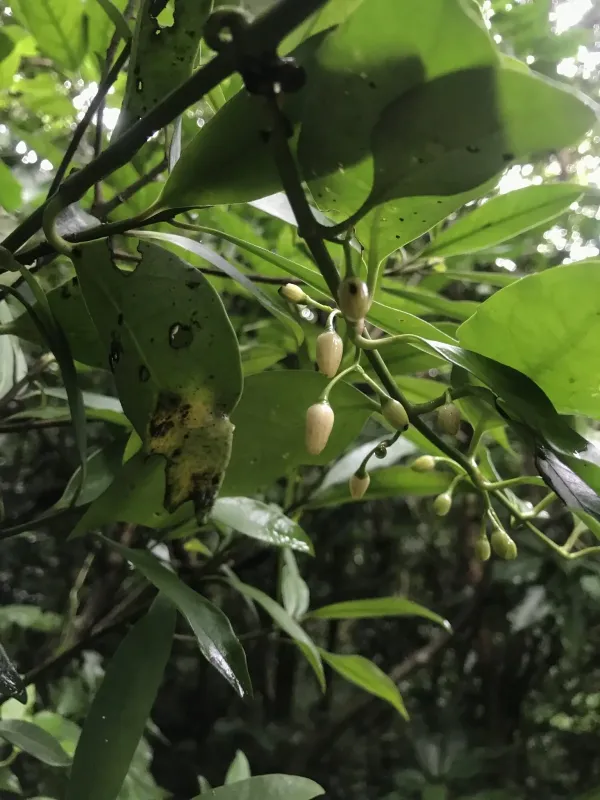
Botanically, the plant is characterized by its glossy, lanceolate leaves and distinctive pendulous flower clusters. The vine requires vertical support to reach its full development potential and to ensure optimal exposure for its vegetative growth, which typically intensifies during the warmer months of the year.
The primary soil requirement for Gardneria nutans is a well-draining, nutrient-rich potting medium with an acidic to neutral pH profile. Avoiding waterlogged soil is critical, as the roots are highly susceptible to rot, making a robust drainage system at the base of the container or planting site essential.
Climate preferences involve high humidity and stable temperatures ranging between 20°C and 28°C. Being a tropical species, the plant does not tolerate frost or cold drafts, which can cause significant tissue damage. Maintaining a consistent environment is the key to successful cultivation in greenhouse settings.
In terms of хозяйственное использование (хозяйственного использования), the plant is primarily appreciated in ornamental horticulture for its exotic appearance. Beyond aesthetics, ongoing research into its phytochemical composition makes it a subject of interest for pharmacological studies due to its potential alkaloid content.
Main diseases and pests
Common pests affecting this species include spider mites and mealybugs, especially in indoor environments with limited airflow. These pests thrive in dry conditions and can cause severe leaf chlorosis if left untreated, necessitating regular inspection of the underside of leaves and stems.
Fungal threats, specifically those leading to root rot and leaf spot, are typical of over-watered specimens. Maintaining good hygiene by removing dead plant matter and ensuring sufficient air circulation is necessary to prevent the spread of spores and maintain the plant's long-term health.