
Gardneria ovata
Gardneria ovata
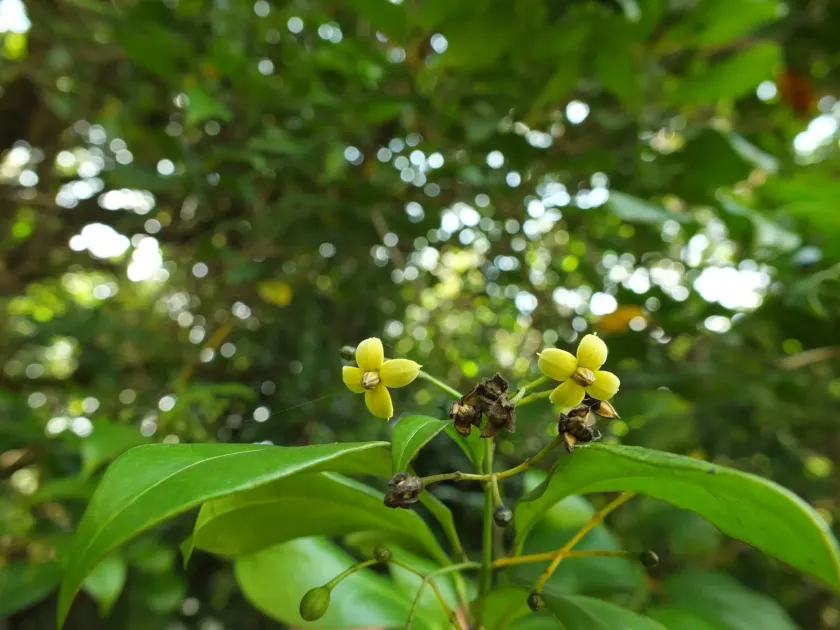
Description
Growing requirements
Gardneria ovata is a notable woody vine belonging to the Loganiaceae family, native to the diverse forest regions of East and Southeast Asia. As a shade-tolerant species, it plays a specific role in its natural ecosystem by climbing towards the light through the forest canopy.
The cultivation of this plant requires specific environmental conditions, primarily focusing on stable ambient temperatures and moderate to high humidity. It thrives in sheltered locations where it is protected from extreme temperature fluctuations and direct harsh sunlight.
Regarding soil requirements, the species performs best in rich, organic, and well-drained substrates. Ensuring proper drainage is essential for maintaining root health, as stagnant water can lead to rapid decline in the plant's physiological functions.
The agrotechnical management of Gardneria ovata involves providing suitable structural supports. Since it is a climbing plant, regular pruning and guiding of the vines are necessary to maintain its form and prevent tangled growth that could hinder photosynthesis.
Fertilization should be implemented during the active growing season using balanced liquid fertilizers. This approach ensures that the plant receives necessary macro- and micronutrients, supporting both its vegetative growth and its ability to resist minor environmental stresses.
Main diseases and pests
Spider mites are the most frequent pests affecting the plant, especially in indoor environments with low humidity. Regular inspection and maintaining optimal moisture levels around the foliage are primary methods to prevent infestations and maintain plant vitality.
Root rot is a significant threat associated with improper irrigation practices or poor soil aeration. If the soil remains overly saturated, anaerobic conditions develop, leading to the rapid decay of the root system and eventual death of the entire vine.
Powdery mildew and other fungal pathogens can be an issue if air circulation is inadequate. It is recommended to position the plant in areas with gentle air movement to avoid excess humidity build-up on the leaf surfaces, which promotes fungal spore germination.
Scale insects can occasionally infest the stems, creating localized damage. Early detection is crucial, and mechanical removal combined with horticultural oils or insecticidal soaps can be effective in managing these outbreaks without harming the plant.
To ensure long-term health, growers should practice integrated pest management (IPM). This involves monitoring, proper sanitation of the growing environment, and using chemical interventions only as a last resort to minimize the impact on the plant's delicate system.