
Tinnea aethiopica
Tinnea aethiopica
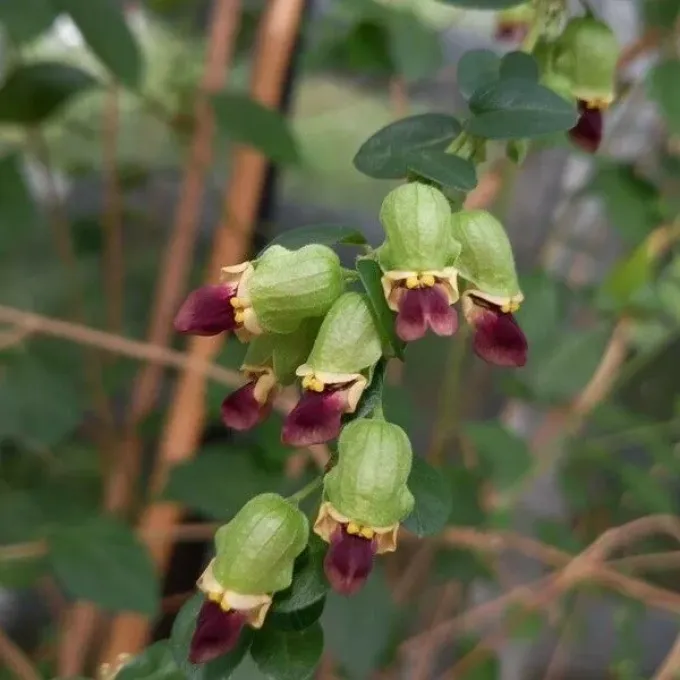
Description
Growing requirements
Tinnea aethiopica is a perennial shrub belonging to the Lamiaceae family, primarily native to the tropical regions of East Africa. It is widely recognized for its high aromatic content and traditional medicinal value within its natural habitats.
Botanically, the plant features distinct opposite leaves and zygomorphic flowers, typical of the mint family. It is adapted to thrive in savanna-like climates, requiring significant exposure to sunlight and warm ambient temperatures to reach full maturity.
Optimal cultivation conditions require well-draining, nutrient-rich soil with a pH range between 6.0 and 7.0. The shrub is highly sensitive to frost; therefore, commercial or ornamental cultivation in temperate zones must occur in greenhouse environments.
Agronomic management involves maintaining consistent moisture levels in the root zone without creating waterlogged conditions. Regular pruning is necessary to maintain the plant's shape and to encourage denser foliage development, which is essential for biomass harvesting.
Economically, the species serves as a source of phytochemicals used in traditional medicine, particularly for its reported antiseptic and anti-inflammatory properties. Beyond medicine, its fragrant foliage makes it a potential candidate for botanical gardens and specialized essential oil production.
Main diseases and pests
The primary pests affecting Tinnea aethiopica in greenhouse settings are spider mites, which thrive in low-humidity environments. Integrated pest management, including periodic misting and the use of neem-based oils, is recommended for effective control.
Root rot pathogens represent the most significant threat to crop longevity, usually triggered by poor drainage or excessive nitrogen application. Strict adherence to soil moisture management protocols is the primary method for ensuring the health of the root system.