
Hoary Mountain Mint
Pycnanthemum incanum Michx.
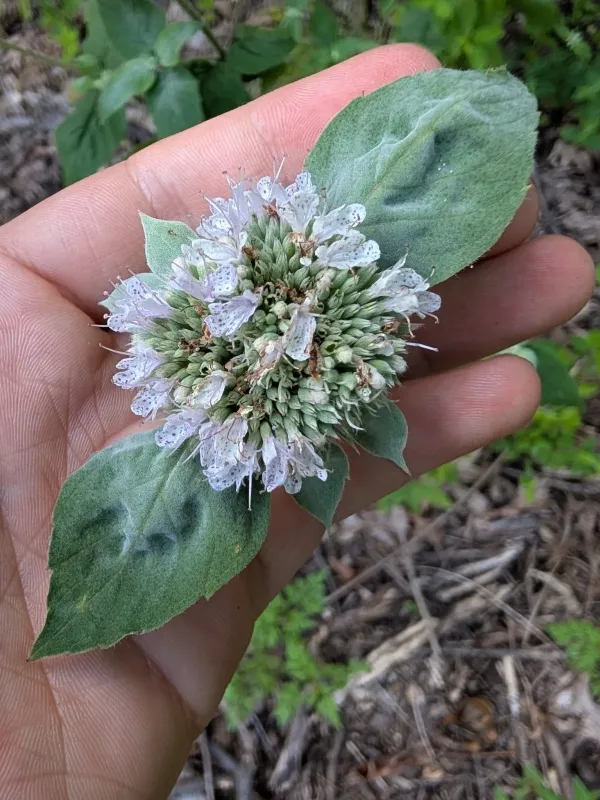
Description
Sowing dates
Hoary Mountain Mint (Pycnanthemum incanum) belongs to the Lamiaceae family. Seeds should be sown in early spring once the soil temperature reaches 10–12 degrees Celsius, or planted in late autumn for winter dormancy.
For nursery production, seeds are sown in trays in late February or March. It is essential to keep the seeds on the surface, as they require light to trigger germination.
The planting depth should not exceed 0.5 cm. When kept at a stable temperature of 20 degrees Celsius, seedlings usually emerge within two to three weeks.
Transplanting into the field occurs after the danger of frost has passed. A planting density of 40x40 cm is ideal for providing enough room for the plants to mature fully.
Vegetative propagation via division is the most efficient method for rapid establishment. Dividing the rhizomes in early spring ensures that the new plants have enough time to establish before the summer heat.
Growing requirements
This species thrives in full sun, which is necessary for the high concentration of essential oils in the leaves. Partial shade is tolerated, but often results in less aromatic foliage.
It prefers well-drained, sandy, or loamy soils. The plant does not tolerate waterlogged conditions, which can lead to rapid root decay, especially in heavy clay soils.
The optimal soil pH range is 6.0 to 7.5. Although the plant is drought-tolerant once established, regular irrigation during the first season promotes robust growth and better yields.
Hoary Mountain Mint is hardy and generally survives cold winters. In regions with severe frost, applying a layer of organic mulch helps protect the crown of the plant.
Balanced fertilizers with low nitrogen levels are recommended to promote essential oil production rather than excessive vegetative growth, which can make the plants prone to lodging.
Yield
Yield varies significantly based on environmental conditions and planting age. The most consistent yields are obtained from the second year onwards after full maturity.
The average yield of dried plant matter is estimated between 1.5 and 2 tonnes per hectare. The plant is highly valued for its oil extraction and as a potent herbal medicinal source.
The species is a premier pollinator attractor, making it a critical asset for beekeeping and biodiversity in agricultural landscapes. Its nectar-rich flowers draw numerous beneficial insects.
Medicinally, the herb is appreciated for its antiseptic and calming properties. It is increasingly used in landscaping for aromatic herb gardens and naturalistic plantings.
In optimal conditions, multiple harvests are possible if the plants are pruned correctly during the first flowering wave, encouraging fresh secondary growth.
Main diseases and pests
This plant is notably resilient to most diseases. However, high humidity and poor air circulation can encourage the development of powdery mildew on the foliage.
Root rot is the primary threat in poorly drained soils. Prevention involves rigorous soil preparation and ensuring that the planting site has an adequate slope for water runoff.
Aphids occasionally colonize the soft tips of new growth. Integrated pest management, including the use of biological controls, is preferred over chemical interventions.
Spider mites may become a nuisance during prolonged hot, dry spells. Regular misting of the plants can help prevent these pests from reaching problematic levels.
Crop rotation is essential for maintaining a healthy soil profile. Avoid planting this species where other Lamiaceae have been grown in the previous three years to reduce soil-borne pathogen risks.
Harvesting
Harvesting should be performed in the morning after the dew has evaporated. The best time for harvest is during the peak bloom stage when essential oils are concentrated.
The stems should be cut at a height of approximately 10–15 cm. This ensures that the plant retains enough energy stores in the rhizomes for rapid recovery and subsequent growth.
Drying must occur in a well-ventilated area away from direct sunlight to preserve the volatile essential oils, which can evaporate rapidly at high temperatures.
Once dried to a brittle state, the leaves are stripped from the stems and stored in airtight containers. This protects the aromatic compounds from degradation and moisture loss.
Quality control during harvest is critical; ensure no weeds or diseased plant parts are mixed with the crop to maintain high standards for pharmaceutical or culinary use.