
Lemon balm
Melissa officinalis L.
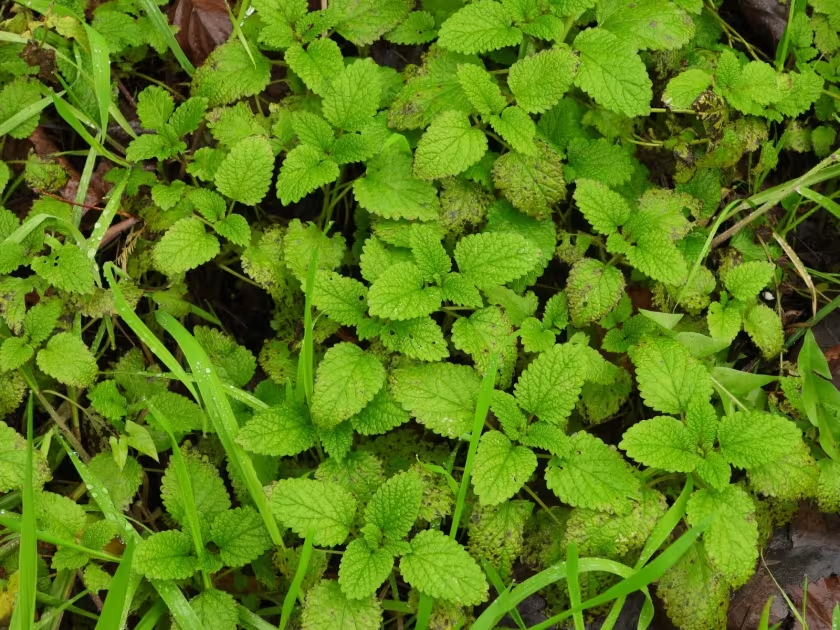
Description
Sowing dates
Lemon balm is typically propagated by seeds, which can be sown directly into the soil in early spring once the threat of heavy frost has passed.
For better control, many growers start lemon balm in trays or pots, transplanting the seedlings into the field when they are sturdy enough to withstand outside conditions.
The seeds are very small and require light to germinate, so they should be only lightly covered with soil or vermiculite when sown.
Row spacing is usually set between 45 and 60 centimeters, allowing sufficient space for plants to spread and for mechanical cultivation equipment to pass through.
Proper seedbed preparation, including firming the soil and keeping it consistently moist until germination occurs, is essential for achieving a successful stand.
Growing requirements
Belonging to the Lamiaceae family, Melissa officinalis is a hardy perennial herb that thrives in temperate climate conditions with good sun exposure.
The plant prefers well-drained, fertile soil with a slightly acidic to neutral pH level to ensure the development of a healthy root system.
While lemon balm is somewhat drought-tolerant once established, it requires regular irrigation during prolonged dry spells to maintain high leaf production.
The plant is known for its cold hardiness, although it may need protection or mulching in regions with extremely harsh, freezing winter conditions.
Good soil aeration is critical, as lemon balm will struggle and may succumb to root rot if grown in heavy, waterlogged or poorly drained clay soils.
Yield
Yield potential for lemon balm varies based on the age of the plantation and the number of cuttings performed within a single growing season.
In the second and third years, the biomass production reaches its peak, often yielding significant amounts of fresh herbage suitable for essential oil distillation.
Effective nutrient management, specifically applying balanced fertilizers after each harvest, is key to encouraging vigorous regrowth and sustainable high yields.
Careful management of the harvest cycle allows producers to obtain multiple cuts per year, significantly maximizing the economic return of the cultivation.
With proper care and rotation, a single lemon balm plantation can remain highly productive for approximately five to seven years before replanting is necessary.
Main diseases and pests
The most common disease threats include powdery mildew and septoria leaf spot, which are frequently triggered by high humidity and poor air circulation.
Aphids and various mite species can become problematic pests, often colonizing the underside of leaves and draining the plant's vital nutrients.
Preventative cultural practices, such as maintaining adequate space between plants and controlling weed competition, are the primary defenses against these threats.
Integrated pest management strategies are often employed to minimize the use of chemicals, ensuring that the harvested herb meets high quality standards.
Root diseases related to fungal pathogens are also a potential threat, often caused by over-watering or using land that lacks proper drainage systems.
Harvesting
Harvesting is typically timed for the early flowering stage, as this is when the concentration of essential oils, particularly citral, is at its absolute peak.
Plants are cut back to approximately 10-15 centimeters above ground level, which encourages the plant to branch out and produce more foliage for the next cut.
Post-harvest, the material must be dried carefully in a shaded, well-ventilated area to preserve the delicate aroma and medicinal properties of the herb.
Lemon balm is highly valued across several industries, including the beverage industry, natural cosmetics, and the production of therapeutic herbal teas.
Maintaining the cleanliness of the harvested product is of the utmost importance, as any contamination can degrade the final oil quality or processed dried product.