
Marsypianthes chamaedrys
Marsypianthes chamaedrys
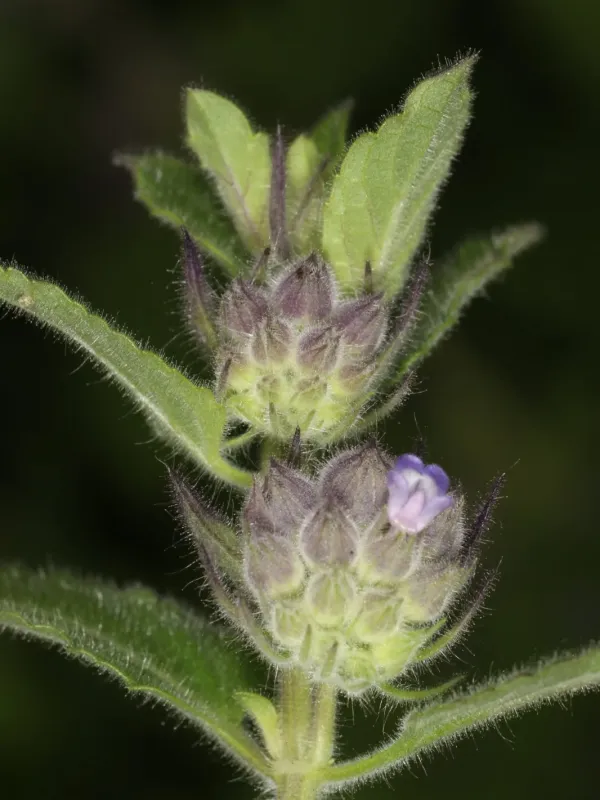
Description
Sowing dates
Marsypianthes chamaedrys is a tropical plant that requires specific thermal conditions to initiate successful germination of seeds.
Sowing should be scheduled during the period when soil temperature remains consistently warm, typically avoiding any potential frost risks.
Row planting is the recommended method to ensure adequate spacing between plants, which promotes air circulation and prevents disease outbreaks.
Seeds benefit from pre-sowing treatments, such as brief soaking in water, to improve the uniformity of sprout emergence across the field.
Timing is critical, and growers should aim for the beginning of the wet season if irrigation infrastructure is limited or unavailable.
Growing requirements
This crop is a member of the Lamiaceae family, which dictates its preference for specific solar exposure and soil nutritional profiles.
The plant thrives in full sun but requires protection during periods of extreme heat to prevent leaf scorching and excessive transpiration.
Well-drained soil is the most important prerequisite; Marsypianthes chamaedrys performs poorly in compacted, waterlogged, or heavy clay soils.
The ideal soil should be rich in organic matter, providing a steady supply of nutrients throughout the rapid growth phase of the plant.
Climate requirements include high atmospheric humidity and moderate temperatures to support the medicinal properties and volatile oil production.
Main diseases and pests
Fungal pathogens represent the most significant threat to Marsypianthes chamaedrys, particularly in high-humidity environments without proper ventilation.
Root rot is a common issue when the soil moisture exceeds the plant's tolerance levels, leading to sudden wilting and total crop loss.
Insect pests like aphids and spider mites can colonize the plant during drier spells, feeding on the succulent leaves and stems.
Integrated pest management strategies should focus on biological controls and manual removal to protect the integrity of the plant biomass.
Proper field sanitation, including the removal of debris, is essential to minimize the overwintering of pests and spores within the crop area.