
Leucosceptrum canum
Leucosceptrum canum
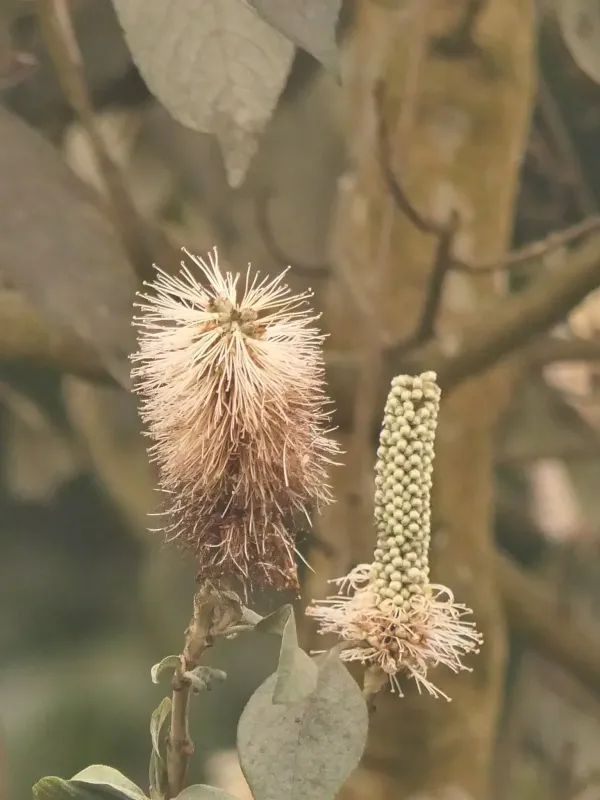
Description
Growing requirements
Leucosceptrum canum is a perennial shrub belonging to the Lamiaceae family. It is native to the mountainous forests of the Himalayas and Southern China, where it plays an integral role in the forest ecosystem.
The plant thrives in fertile, well-drained soils with a slightly acidic to neutral pH. It exhibits a natural preference for semi-shaded habitats, making it suitable for agroforestry applications and forest margin planting.
Climatic requirements involve a temperate climate with consistent rainfall during the growing season. The species is moderately hardy but benefits from protective measures in colder temperate regions to prevent frost damage to young stems.
Agricultural practices for this crop include regular soil moisture maintenance and the application of organic mulch to improve soil structure and moisture retention around the root system.
The primary economic use of this shrub is its significant value as a late-season honey plant, which is highly appreciated in apiculture for providing a crucial nectar source for pollinators when other sources are scarce.
Main diseases and pests
The plant is susceptible to powdery mildew, particularly when grown in conditions with poor air circulation or excessive leaf moisture during humid summer periods.
Insects such as aphids can occasionally infest new growth, leading to reduced vitality and aesthetic damage to the foliage of the shrubs.
Root rot is the most common physiological threat, often caused by waterlogging in heavy soil types that lack sufficient permeability for excess moisture drainage.
Integrated pest management strategies should focus on maintaining adequate space between individual shrubs to ensure proper aeration and sunlight penetration.
If chemical interventions are necessary, low-toxicity horticultural oils or soaps are recommended to control surface pests without harming the visiting pollinator populations.