
Leucas zeylanica
Leucas zeylanica
Description
Growing requirements
Leucas zeylanica, commonly known as Ceylon slitwort, is an annual herbaceous plant belonging to the Lamiaceae family. Native to tropical regions of Asia, including India and Sri Lanka, it is widely recognized for its ecological presence in disturbed lands and agricultural fields.
This crop thrives in well-drained, fertile soils with a preference for sunny exposure. It is highly adapted to tropical climates with temperatures ranging from 25°C to 30°C. Maintaining adequate soil moisture is crucial, although the plant exhibits some drought tolerance once established.
Cultivation practices involve selecting sites with high light intensity to encourage dense growth and flower production. The plant is adaptable to various soil types, but sandy loam provides the best conditions for root development and nutrient uptake in commercial settings.
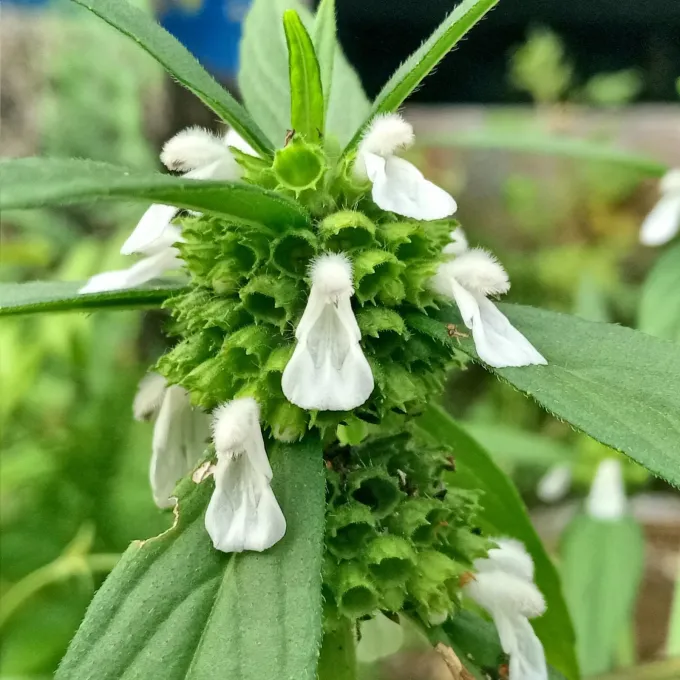
Botanically, Leucas zeylanica is characterized by its erect, branched stem reaching up to 90 cm in height. The leaves are opposite and serrated, while the distinct white flowers are arranged in terminal whorls, serving as a key diagnostic feature for the genus.
Economically, the plant is primarily harvested for its therapeutic properties. It is extensively used in traditional medicine systems to treat various ailments including respiratory infections, rheumatism, and skin conditions, thanks to its high concentration of secondary metabolites.
Main diseases and pests
The primary threats to Leucas zeylanica include fungal root pathogens in waterlogged soils and infestations by aphids or lepidopteran larvae. Implementing integrated pest management, such as promoting natural predators and proper soil drainage, effectively mitigates these risks.