
Leucas sexdentata
Leucas sexdentata
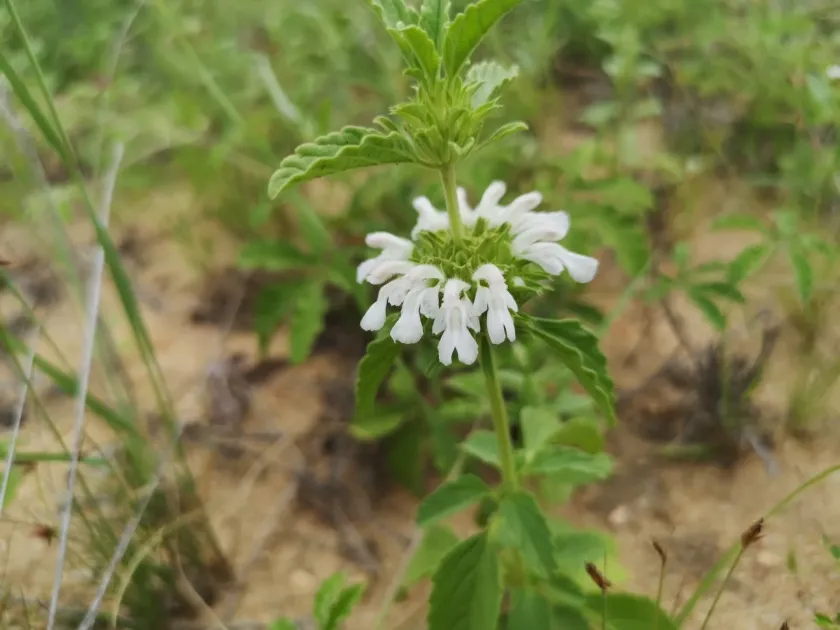
Description
Growing requirements
Leucas sexdentata is a perennial plant species belonging to the Lamiaceae family. It is primarily native to the African continent, where it occupies diverse habitats ranging from tropical grasslands to semi-arid regions.
The plant requires well-drained soil to thrive, showing a strong preference for sandy or loamy textures. Proper soil aeration is crucial for the root development of this species, as it is highly susceptible to waterlogging.
Environmental requirements include a warm climate with consistent access to direct sunlight. Leucas sexdentata is well-adapted to high-temperature ranges and displays significant resilience during prolonged dry seasons.
Agronomic management involves spacing the plants appropriately to ensure optimal airflow, which is essential to prevent moisture retention within the canopy. Regular weeding is necessary during the early stages of establishment to prevent competition.
The economic value of this crop is largely driven by its traditional medicinal uses. Its foliage and flowers are often harvested for their bioactive compounds, which demonstrate antimicrobial and anti-inflammatory properties.
Main diseases and pests
Common pests affecting Leucas sexdentata include aphids and spider mites, which typically target the plant during periods of moisture stress or inadequate hydration.
Fungal pathogens pose a major risk, particularly powdery mildew, which can spread rapidly if the ambient humidity levels exceed the plant's tolerance threshold.
Root rot is another significant concern when the crop is grown in heavy, poorly drained soils, often leading to rapid plant decline and loss of biomass.
Farmers are advised to implement preventative measures such as maintaining proper plant spacing and ensuring the soil surface remains dry between irrigation cycles.
Early detection and prompt removal of infected plant materials are the most effective strategies for managing disease outbreaks in commercial field conditions.