
Eriophyton rhomboideum
Eriophyton rhomboideum
Description
Growing requirements
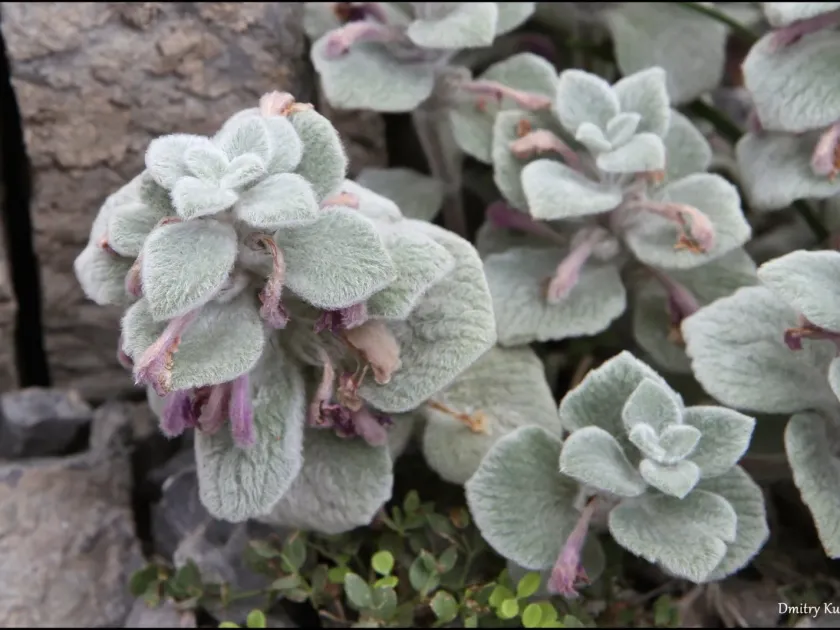
Eriophyton rhomboideum is a unique perennial herb belonging to the Lamiaceae family. It is a highly specialized plant species that is well-adapted to the harsh environment of high-altitude mountain ecosystems.
The natural habitat of this species is located in the Himalayas and surrounding mountain ranges, often found at elevations exceeding 4000 meters above sea level. It thrives on rocky slopes and alpine scree, conditions that are challenging for most common crops.
Botanically, the plant is characterized by its dense pubescence, which serves as a vital adaptation to prevent water loss and protect against extreme wind chill in alpine climates. The leaves typically exhibit a rhomboid shape, which provides the etymological basis for the name.
From an agronomic perspective, this plant cannot be considered a conventional agricultural crop. Its growth requirements involve specific soil aeration and alpine temperature fluctuations that are nearly impossible to replicate in standardized agricultural facilities.
The primary use of Eriophyton rhomboideum is in traditional Tibetan medicine. It is harvested for its potential pharmacological properties, which are studied in the context of mountain biodiversity and herbal medicine applications.